Upcoming Events
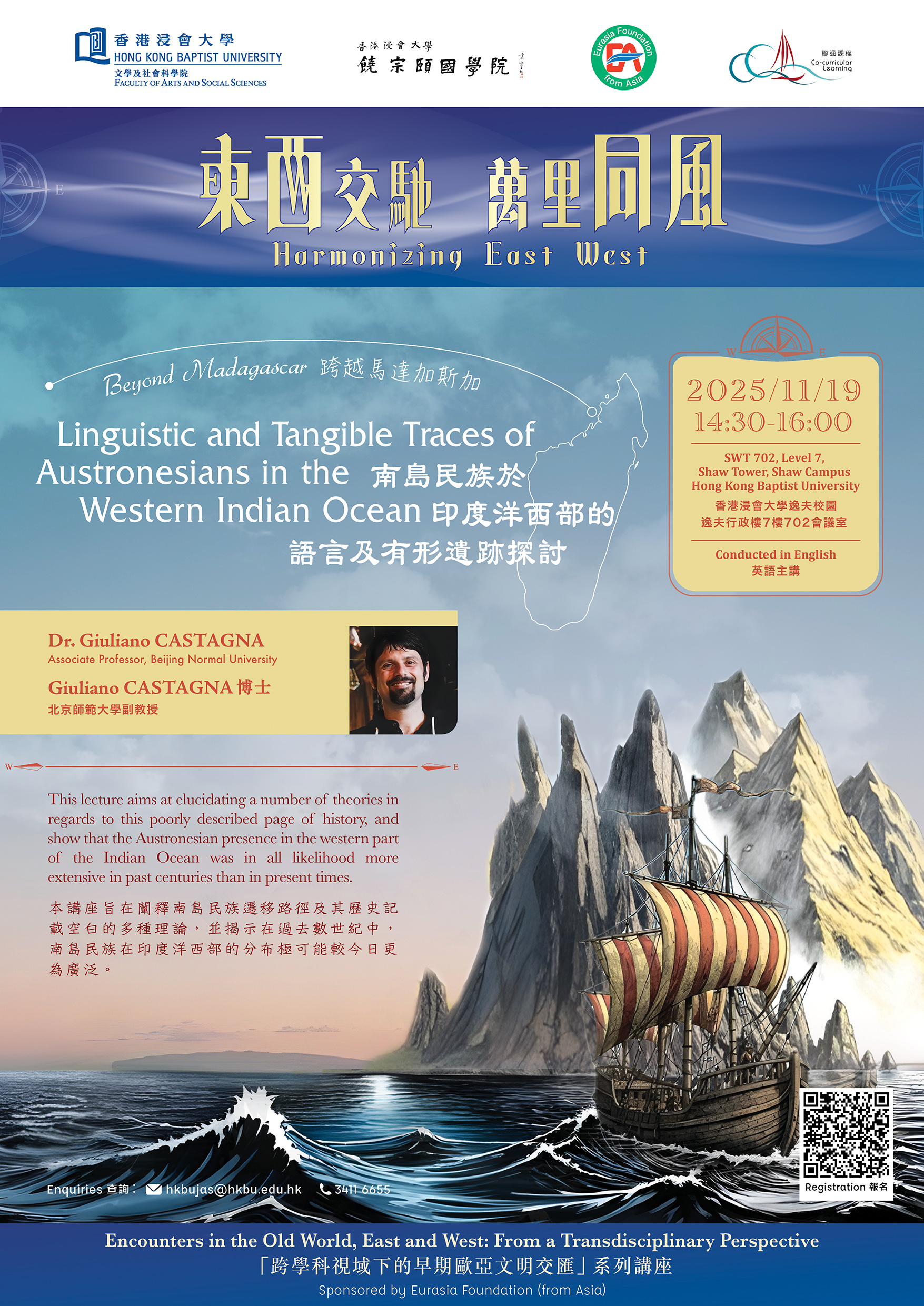
Dr. Giuliano CASTAGNA: Beyond Madagascar: Linguistic and Tangible Traces of Austronesians in the Western Indian Ocean (2025/11/19)

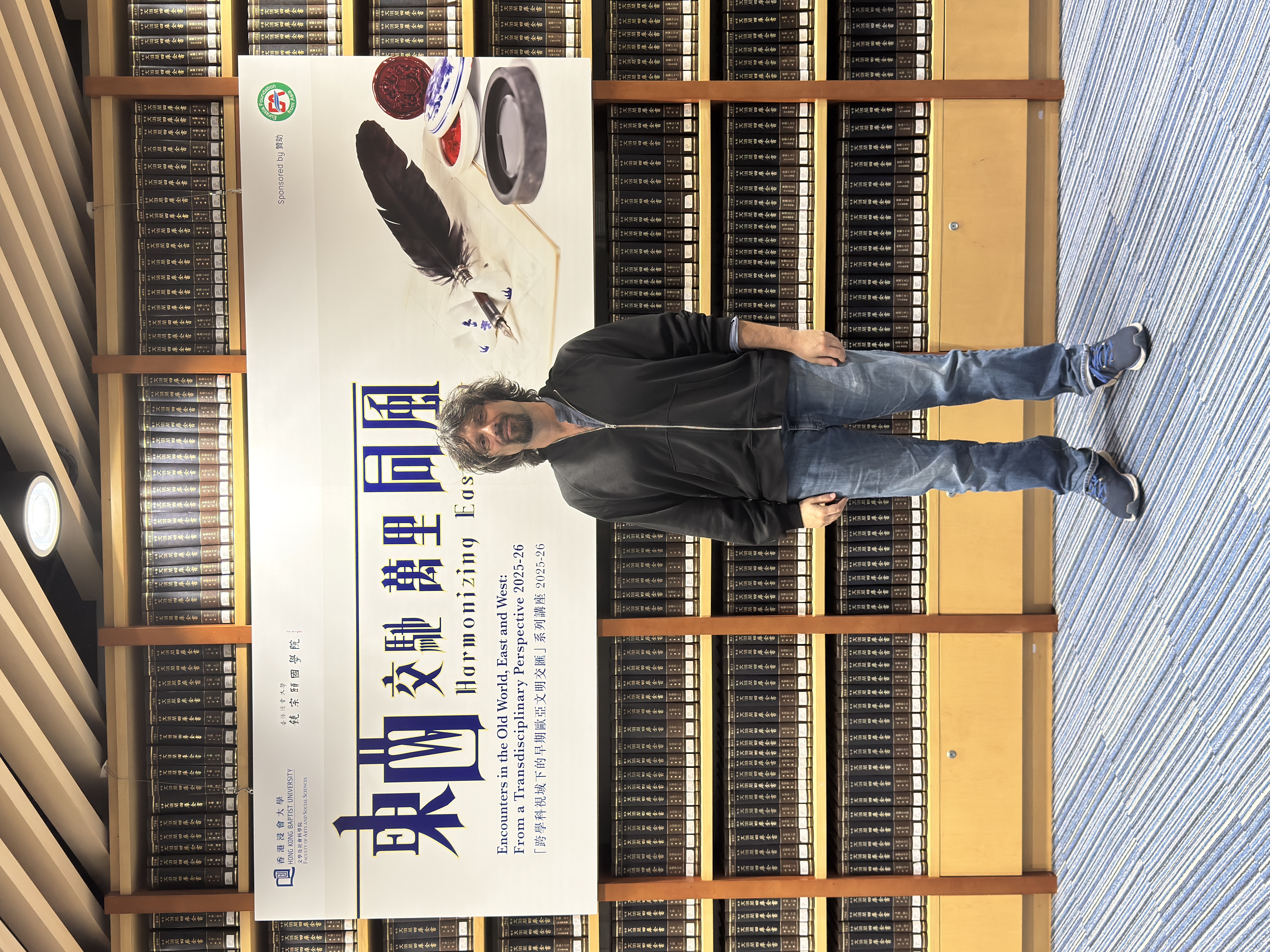
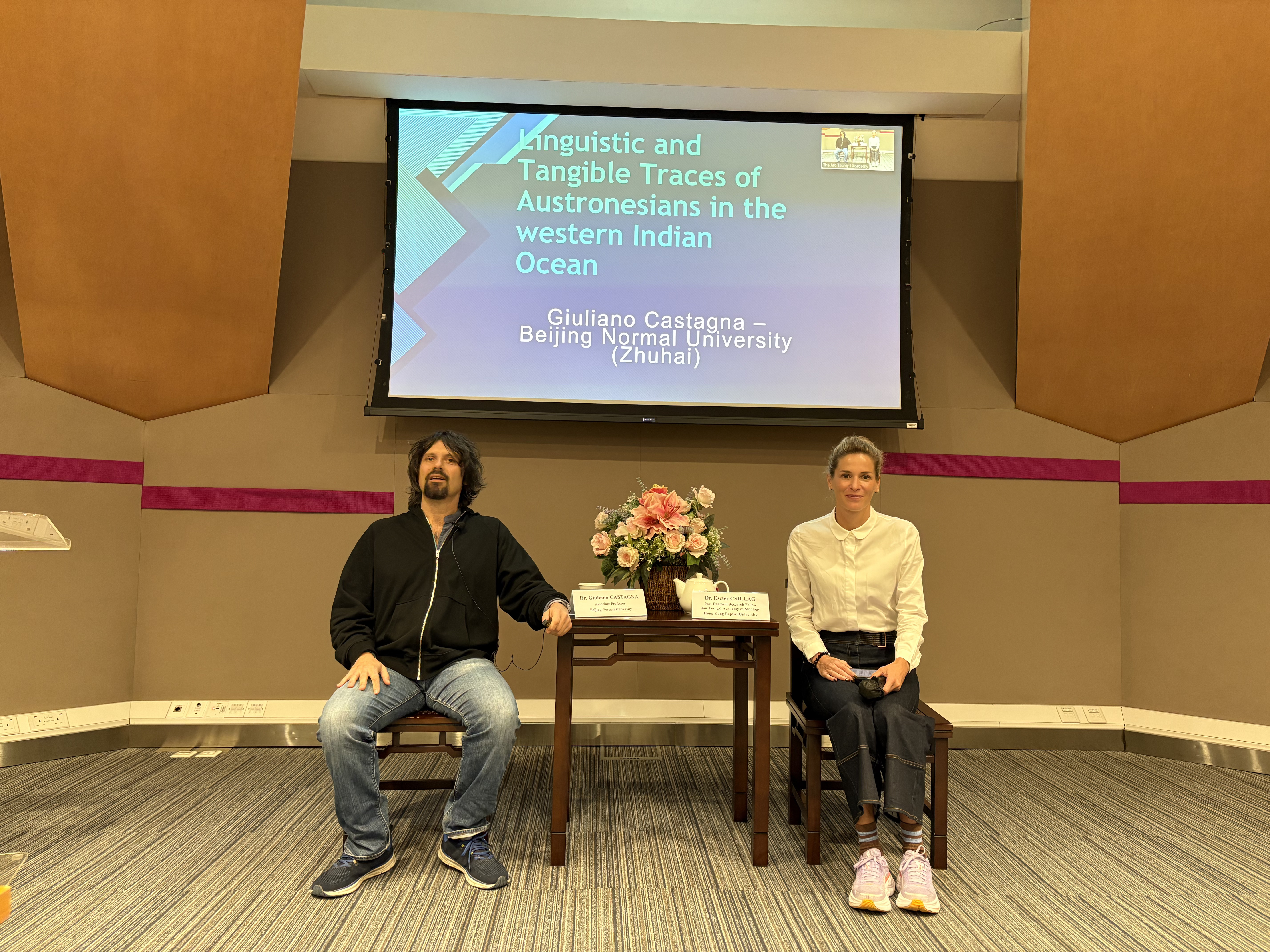
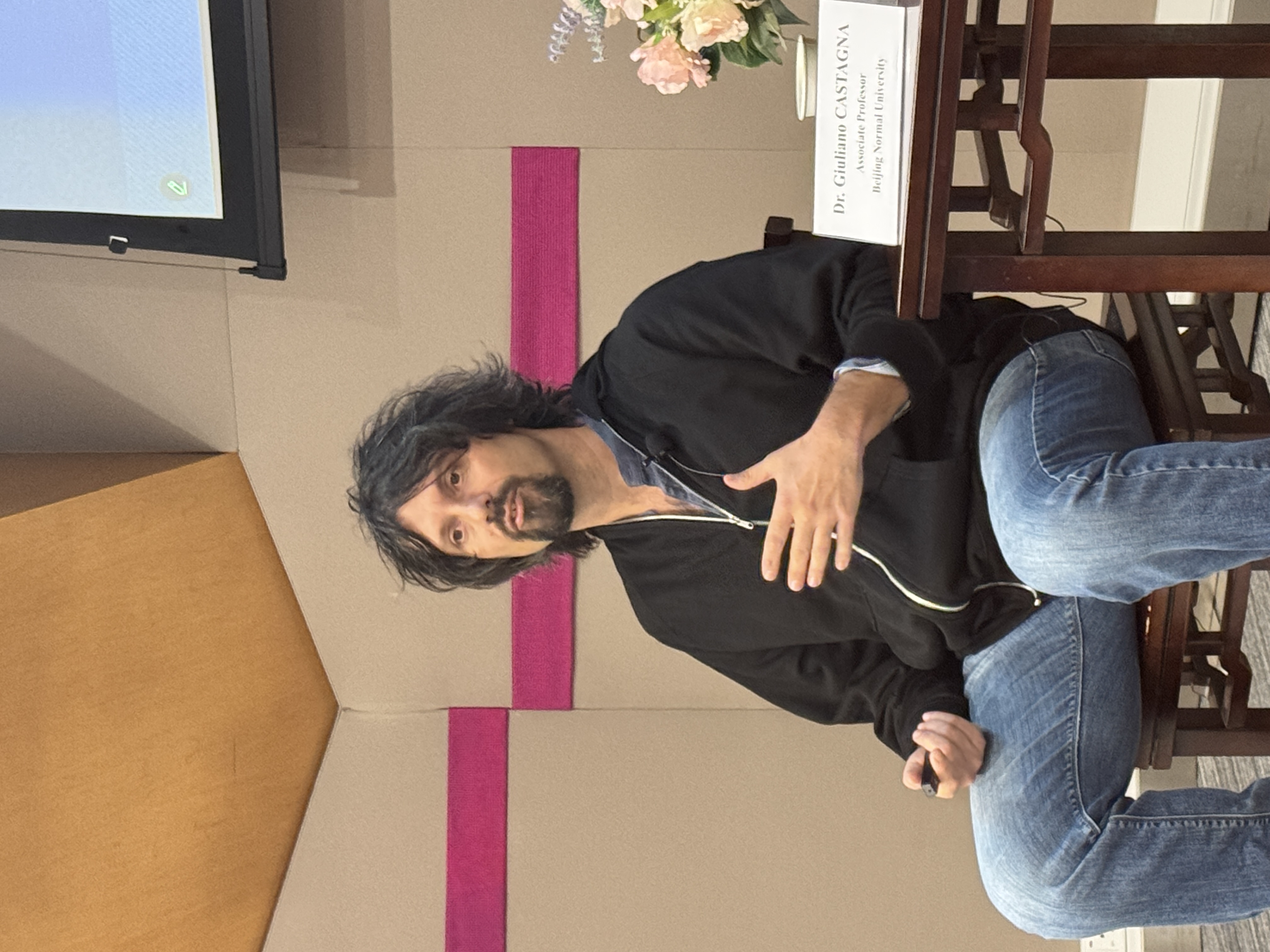
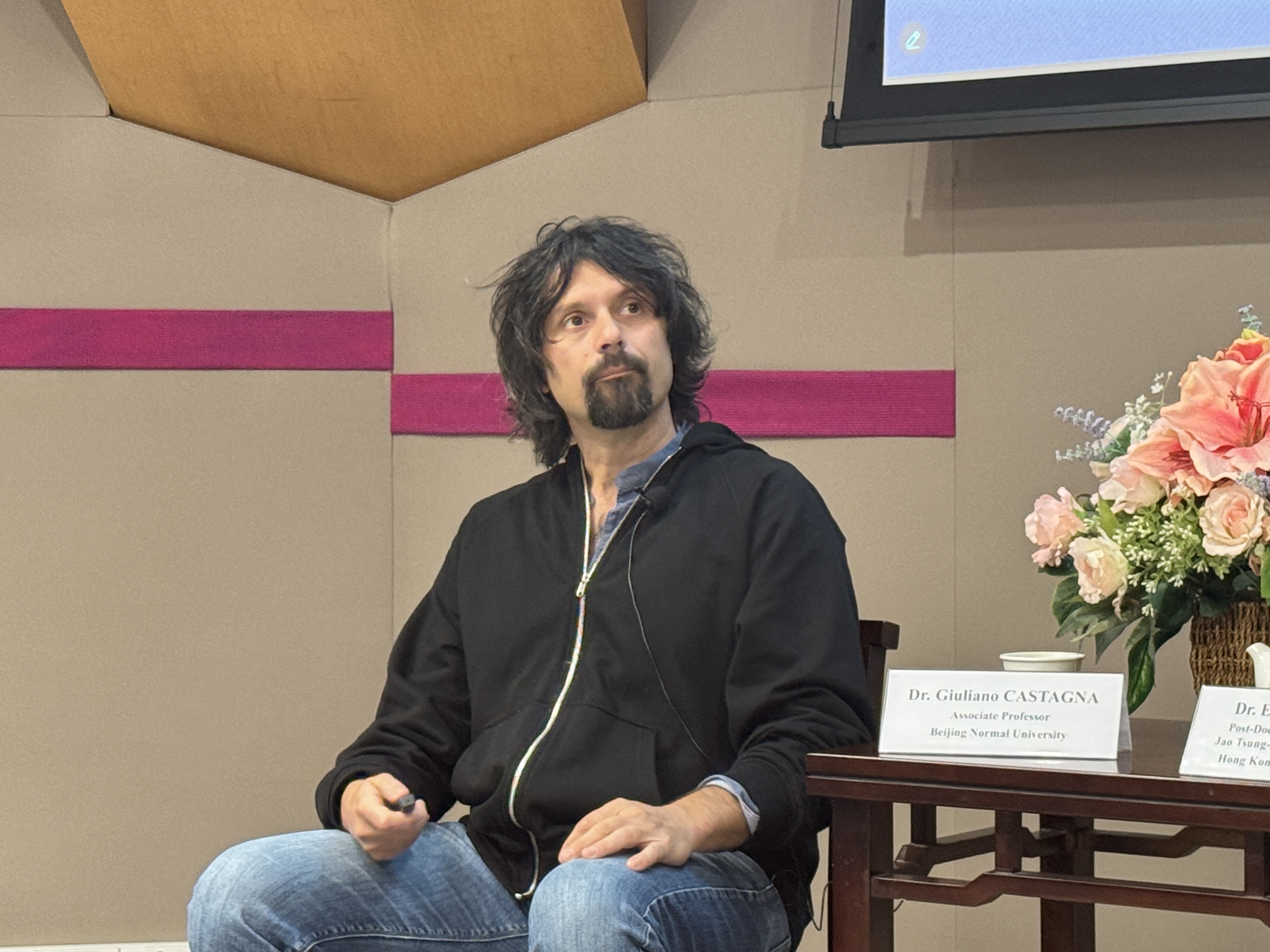
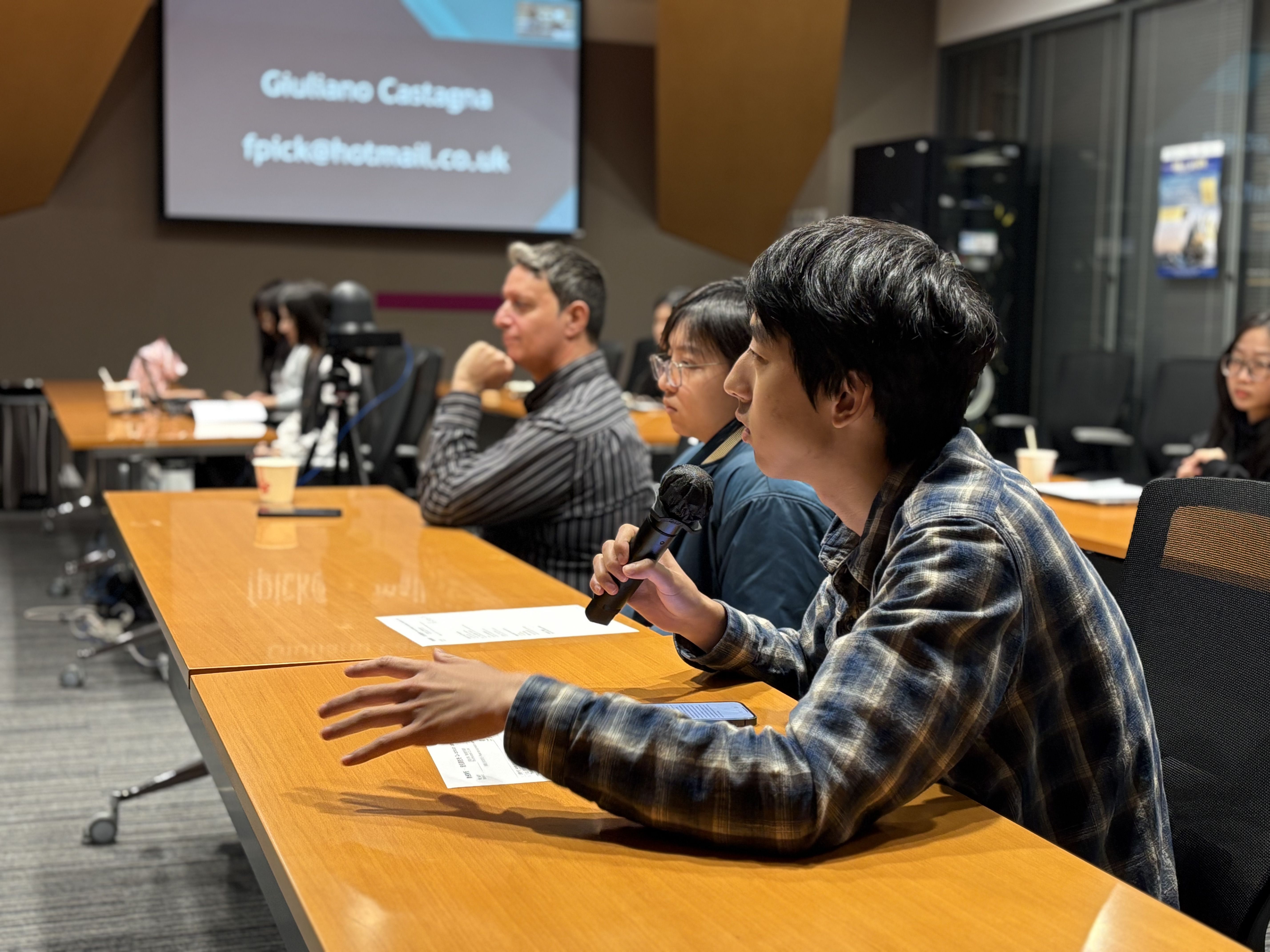
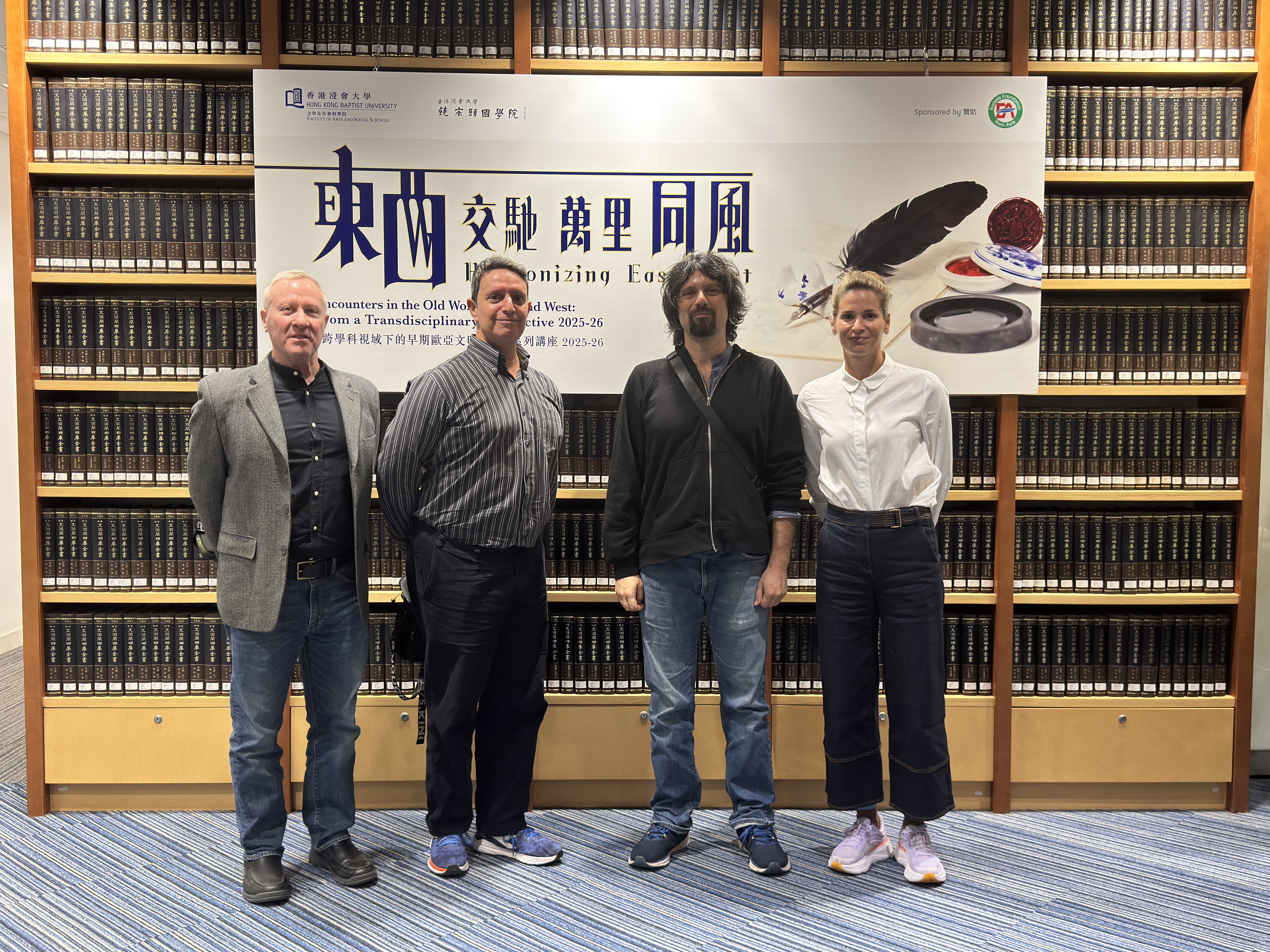
The seventh lecture in the series “Encounters in the Old World, East and West: From a Transdisciplinary Perspective” took place at JAS on November 19. The event featured a presentation by Dr. Giuliano Castagna, Associate Professor at Beijing Normal University, who spoke on “Beyond Madagascar: Linguistic and Tangible Traces of Austronesians in the Western Indian Ocean.” The session was chaired by Dr. Eszter Csillag, a Post-Doctoral Research Fellow at JAS.
The lecture explored the Arabian Peninsula's cultural and historical integration within the Indian Ocean world, emphasizing its connections beyond the Semitic linguistic and cultural sphere. The speaker examined Arabia’s diverse geography, focusing on the domestication of the Arabian dromedary camel around 3000 BCE, a key factor enabling desert survival and trade.
Distinctions between “Arabs,” “Arabians,” and “Arabic” were clarified, highlighting the ethnic and linguistic diversity of the Arabian Peninsula, including marginalized groups like the Mahra and the now-extinct Sribba people. The rise of Islam was identified as a transformative event reshaping Arabian identity and territory, leading to expansive Islamic conquests. Early mentions of “Arab” date back to 853 BCE.
The lecture challenged the notion of Arabia as an isolated cultural fortress, showing evidence of external influences via trade and migration. Notably, the Austronesian seafarers, originating from Taiwan, were discussed as significant contributors to this interconnected region. Their voyages led to the colonization of Madagascar and interactions with southern Arabia and East Africa, as evidenced by linguistic loanwords, genetic markers, and shared cultural traits such as boat-building techniques.
The lecture emphasized the importance of continued interdisciplinary research—linguistic, archaeological, genetic, and historical—to build a clearer understanding of the region’s pluralistic history and the influence of Indian Ocean trade networks. Language documentation and epigraphic studies are key tools for future research.
Lecture Review:
HKBUtube: https://hkbutube.lib.hkbu.edu.hk/inner.php?id=BTS-101260