最新活動
International Forum on Chinese Bamboo and Silk Manuscripts 2025: The Study of Newly Excavated Bamboo and Wooden Slips and Tablets in Warring States, Qin, and Han Dynasty

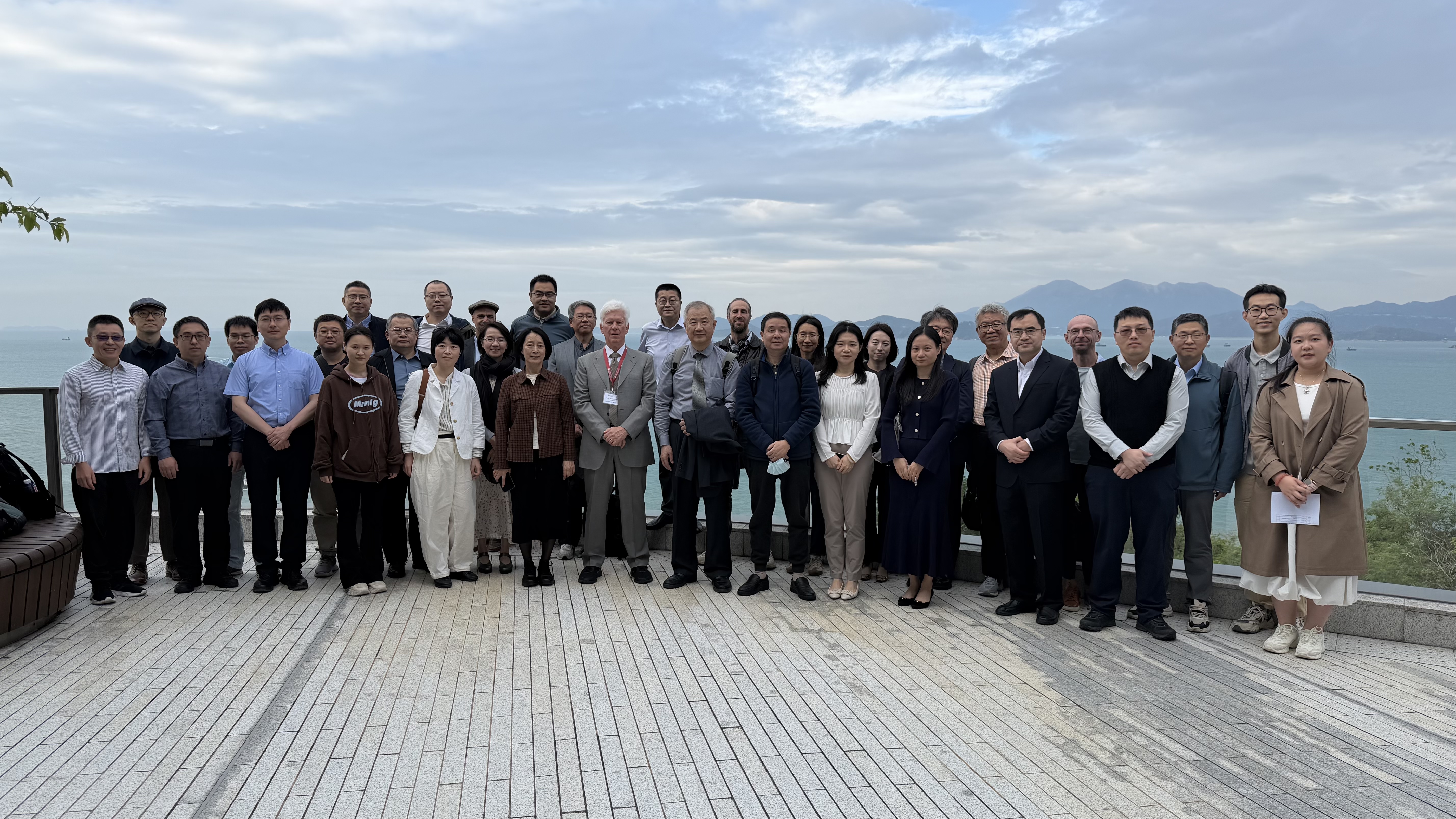
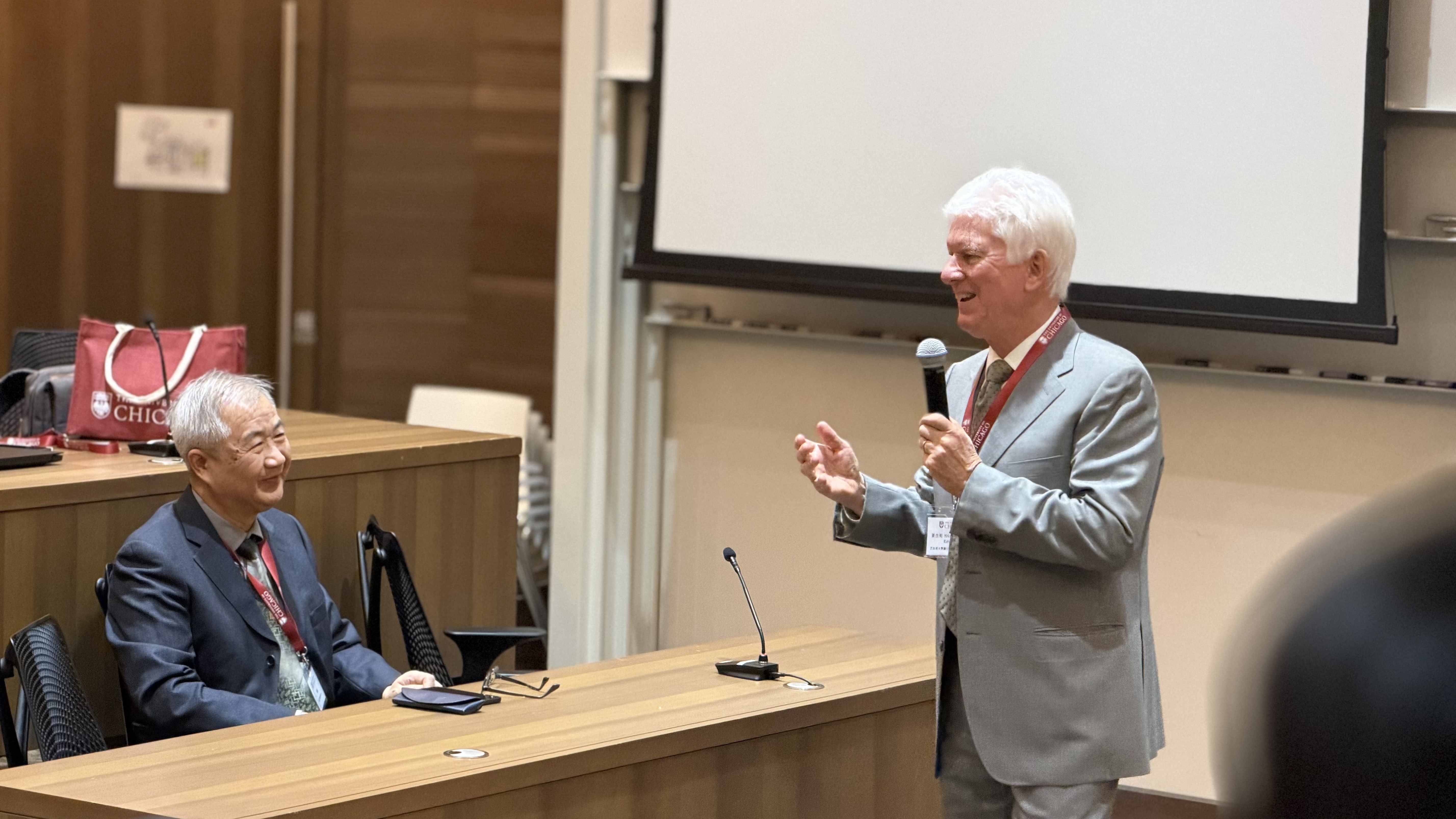
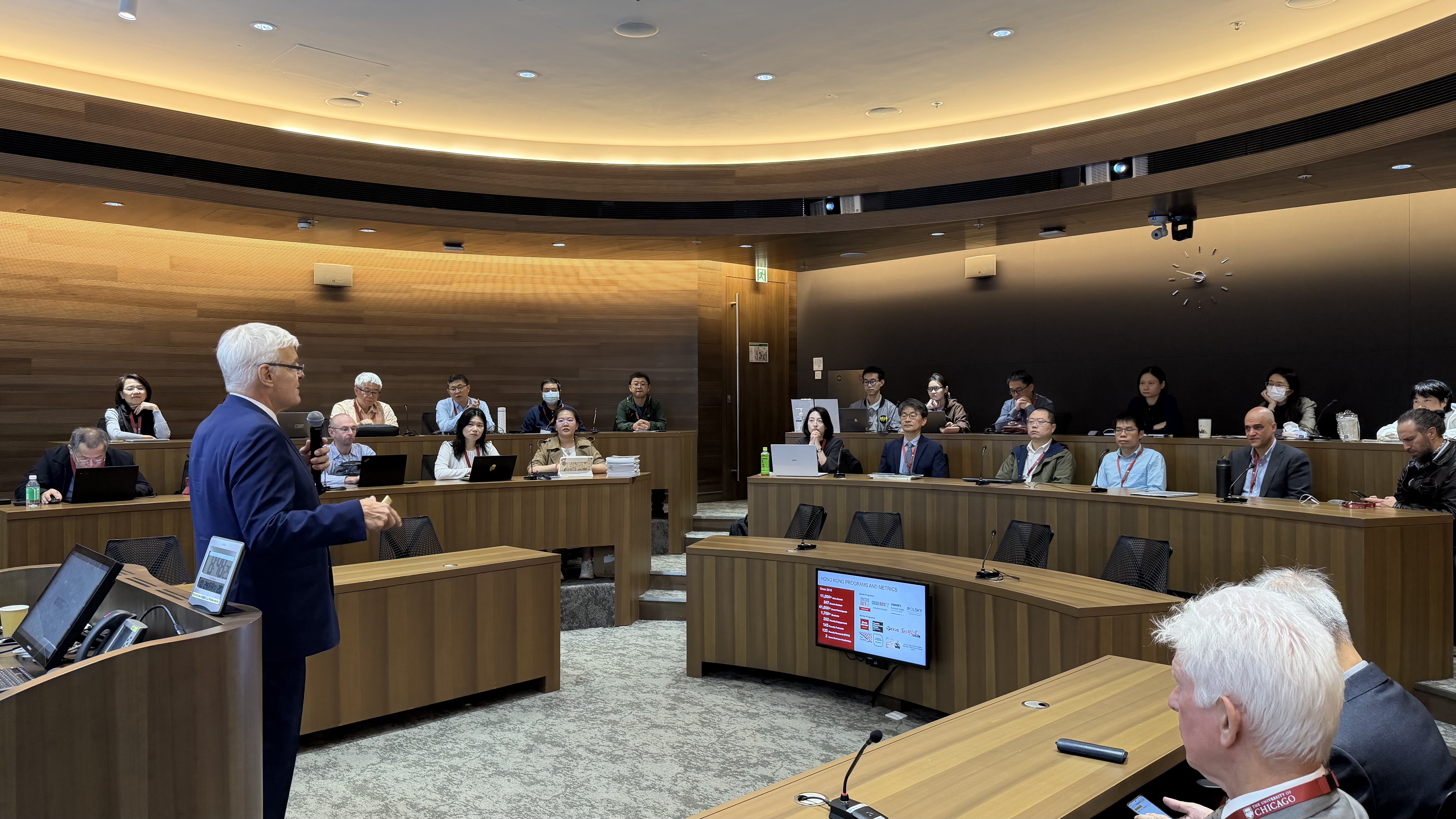
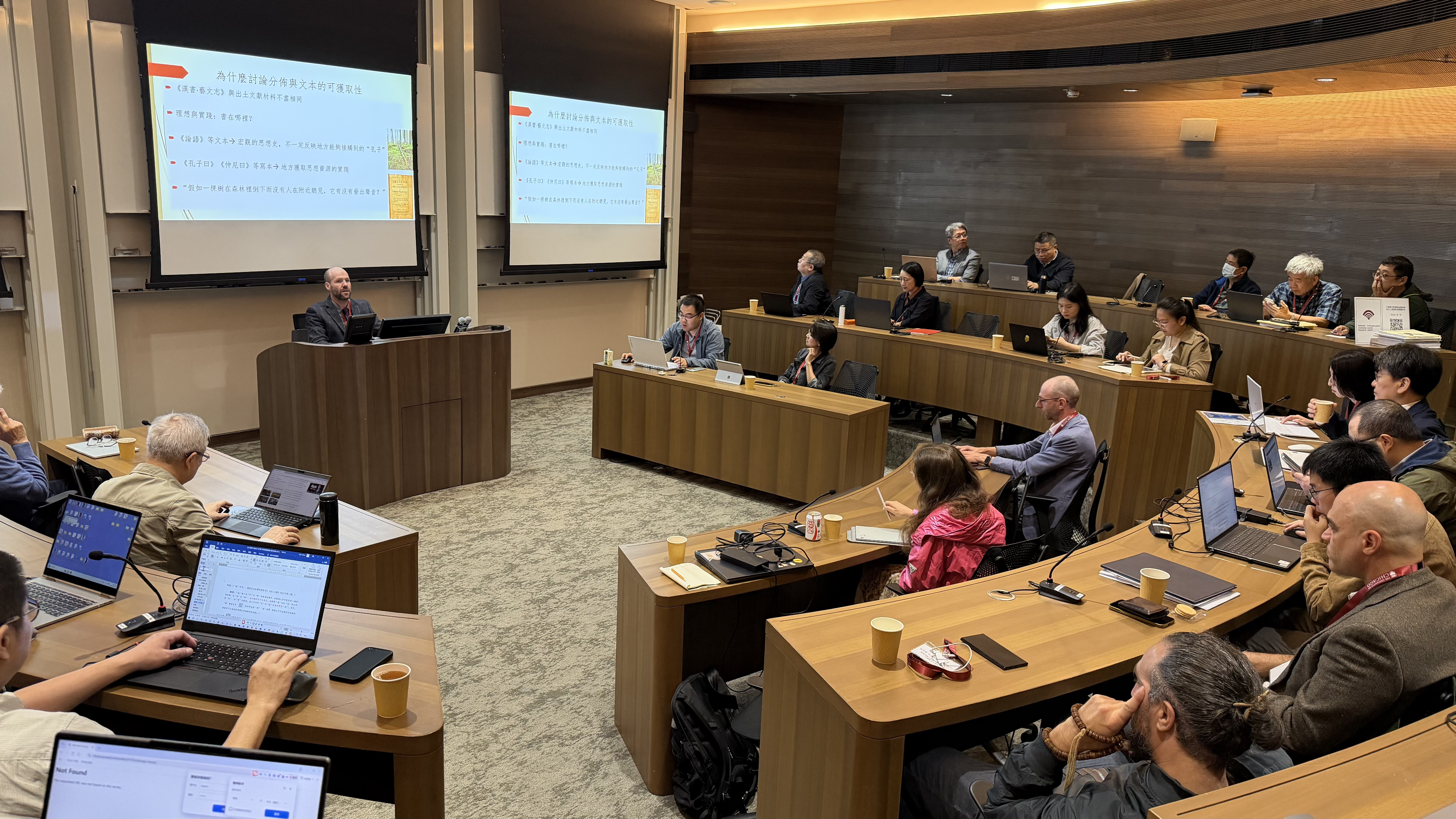
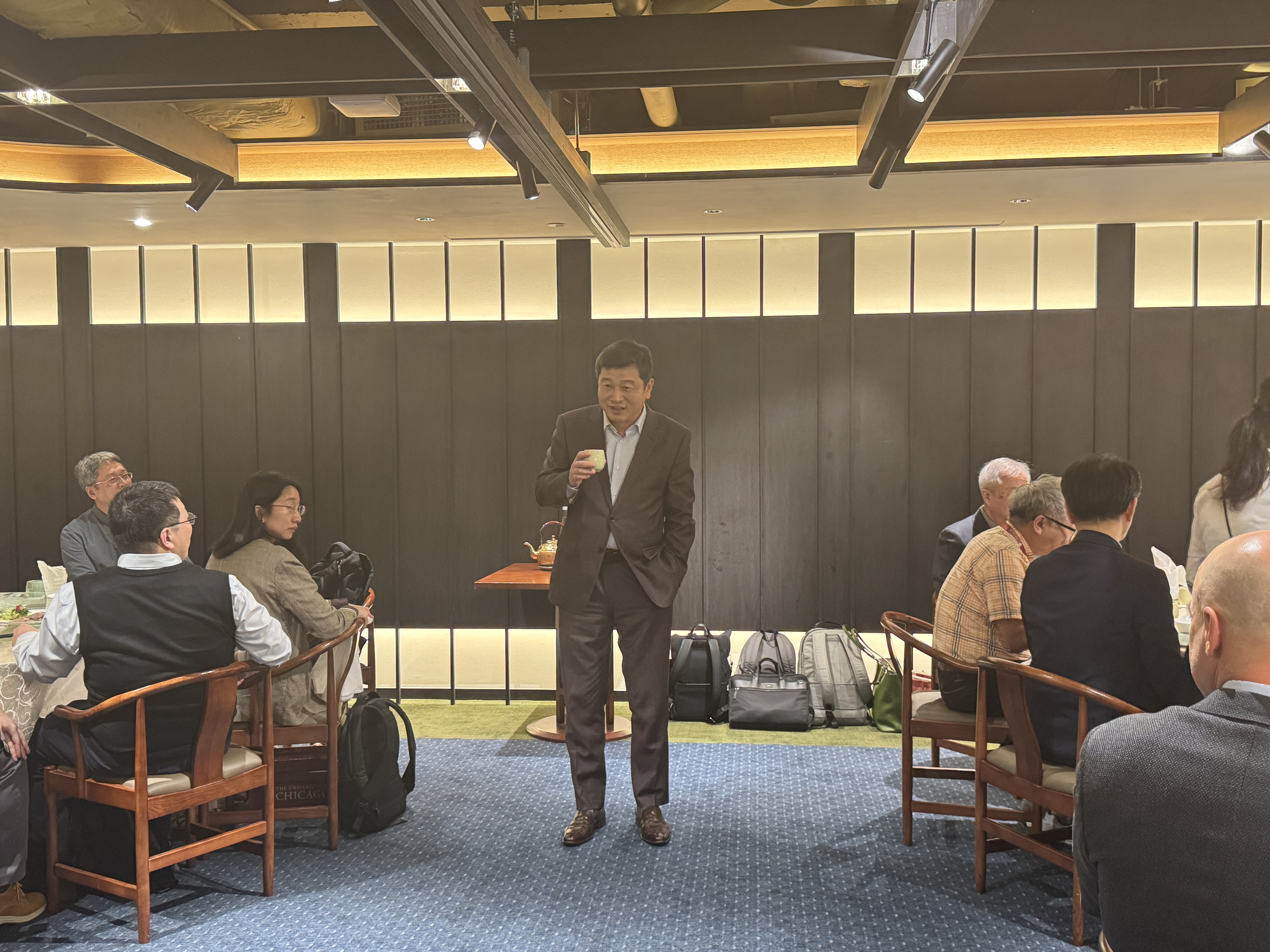
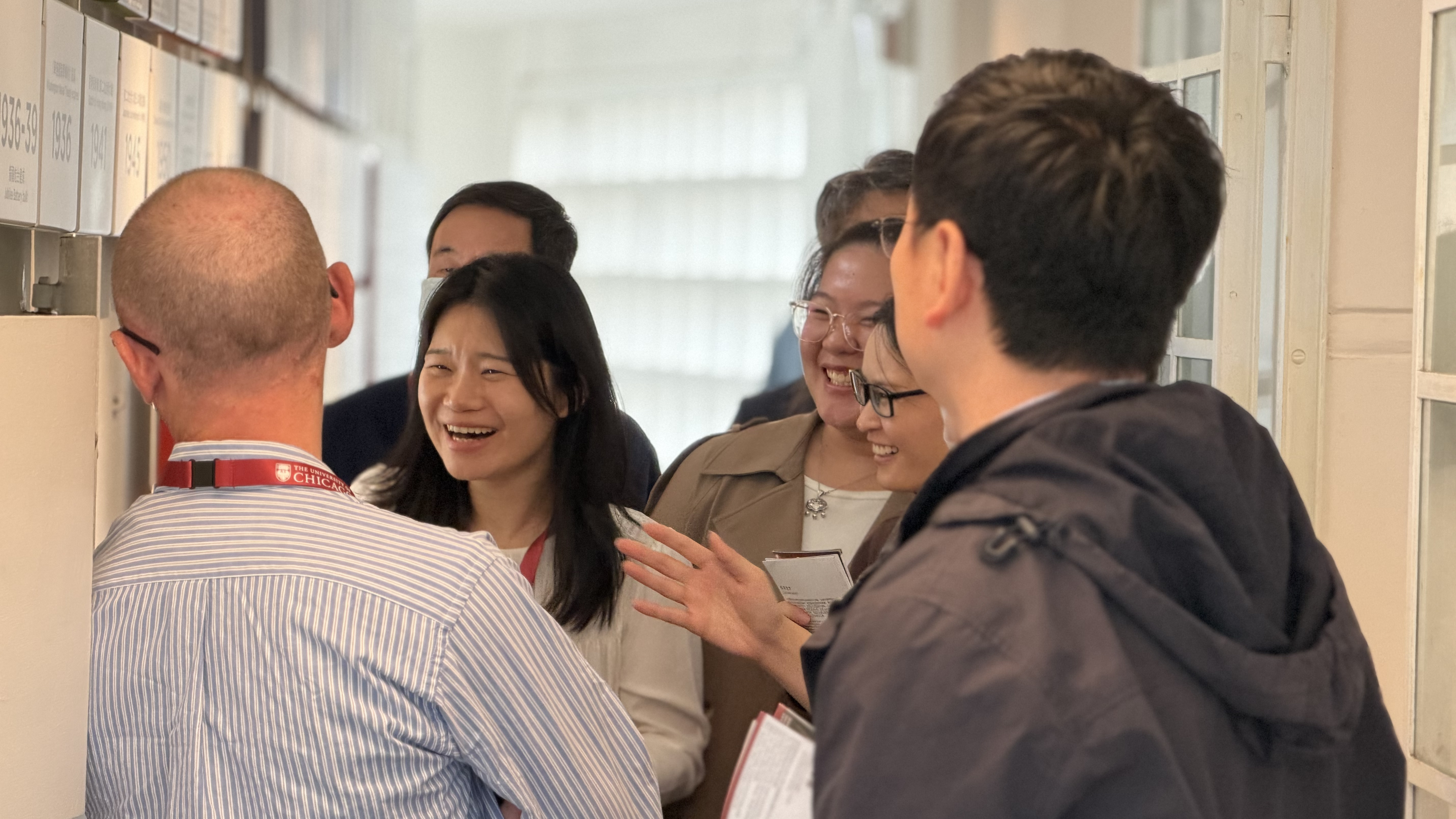
International Forum on Chinese Bamboo and Silk Manuscripts 2025: The Study of Newly Excavated Bamboo and Wooden Slips and Tablets in Warring States, Qin, and Han Dynasty” was held from 24 to 25 October 2025 at The Hong Kong Jockey Club University of Chicago Academic Complex | The University of Chicago Francis and Rose Yuen Campus in Hong Kong. Co-organised by the University of Chicago’s Creel Center for Chinese Paleography, Hong Kong Baptist University Jao Tsung-I Academy of Sinology, and Wuhan University’s Center of Bamboo and Silk Manuscripts, the Forum brought together 33 scholars of excavated texts and ancient writing systems from China (including scholars from Hong Kong, Macau, and Taiwan), the United States, Japan, South Korea, and other regions. (See the list of participants at the end.)
The Forum was jointly organized by the Creel Center for Chinese Paleography at the University of Chicago, the Jao Tsung-I Academy of Sinology at Hong Kong Baptist University, and the Center of Bamboo and Silk Manuscripts of Wuhan University. Totally 33 scholars from Mainland China, Hong Kong, Taiwan, the United States, Japan, South Korea, and other regions participated. (For the list of scholars, see the end of the article.)
At the opening ceremony, Professor Edward L. Shaughnessy, Director of the Creel Center for Chinese Paleography, reviewed the Forum’s two-decade academic history and thanked scholars from China and abroad for their longstanding support, which has made the event a cross-regional and cross-generational platform for scholarly exchange. Mr. Mark Barnekow, the Executive Director of the University of Chicago Hong Kong Campus, highlighted the campus’s unique position at the intersection of Chinese and Western cultures, pledging its ongoing role as a bridge for academic collaboration in the humanities and social sciences.
Professor Chen Zhi, Director of the Jao Tsung-I Academy of Sinology, delivered a welcome address during the welcome dinner. He extended sincere gratitude to the University of Chicago and Wuhan University. The forum once again united the international bamboo and silk manuscripts research community, demonstrating the continued vitality of the field, and urged scholars to deepen exchanges and sustain collaboration.
The Forum featured eight panels, covering paleography, intellectual history, and legal history. Scholars focused on newly published materials, including the Tsinghua bamboo slips, the Anhui University bamboo slips, the Peking University Han Manuscripts, the Hujia Caochang Han Slips, the Zoumalou Western Han Slips. From script forms and textual systems to intellectual content, institutional structures, and social functions, the papers presented multi-dimensional analyses across a broad range of topics, including Chu administrative slips and terminology, the transmission of classical texts, and the correlation between excavated and transmitted literature, to divination practices in pre-Qin daybooks, Qin-Han legal codes and bureaucratic systems, as well as early local litigation and penal practices. These discussions highlighted the key role of excavated manuscripts in advancing the study of early Chinese civilization.
In his closing remarks, Professor Chen Wei, Director of the Center of Bamboo and Silk Manuscripts of Wuhan University, highly commended the outcomes of the Forum, noting that it showcased the open-minded and innovative spirit of the field within an international framework. The next Forum is scheduled for 2027, with the hope of attracting more young scholars to further advance the depth and breadth of excavated manuscript studies.
Organizers:
SHAUGHNESSY Edward L., The Creel Center for Chinese Paleography, The University of Chicago
CHEN Wei, Center of Bamboo and Silk Manuscripts, Wuhan University
CHEN Zhi, Jao Tsung-I Academy of Sinology, Hong Kong Baptist University
List of Participating Scholars (Surnames in Alphabetical Order):
CHEN Jian, Center for Research on Chinese Excavated Classics and Paleography, Fudan University
CHENG Hao, Research and Conservation Center for Unearthed Texts, Tsinghua University
CHENG Shaoxuan, School of Liberal Arts, Nanjing University
FAN Changxi, Department of Chinese Language and Literature, Sun Yat-sen University
GREBNEV Yegor, Faculty of Humanities and Social Sciences, Beijing Normal–Hong Kong Baptist University
HE Youzu, Center of Bamboo and Silk Manuscripts, Wuhan University
HUANG Haobo, Center of Bamboo and Silk Manuscripts, Wuhan University
HUANG Kuan-yun, Research Center of Taiwan, Oriental Institute, Czech Academy of Sciences
JIANG Wen, Center for Research on Chinese Excavated Classics and Paleography, Fudan University
KIM Byung-Joon, Department of Asian History, Seoul National University
KRIJGSMAN Rens, Research and Conservation Center for Unearthed Texts, Tsinghua University
LEBOVITZ David J., Department of Chinese History and Culture, The Hong Kong Polytechnic University
LEE Joo-hyun, Department of History, Dong-A University
LEI Hailong, Center of Bamboo and Silk Manuscripts, Wuhan University
LI Meijuan, Center of Bamboo and Silk Manuscripts, Wuhan University
LI Tianhong, Center of Bamboo and Silk Manuscripts, Wuhan University
LIU Guosheng, Center of Bamboo and Silk Manuscripts, Wuhan University
LIU Guozhong, Research and Conservation Center for Unearthed Texts, Tsinghua University
LU Jialiang, Center of Bamboo and Silk Manuscripts, Wuhan University
MA Tsang Wing, Department of Chinese History and Culture, The Hong Kong Polytechnic University
MIYAJIMA Kazuya, Faculty of Law, Seikei University
PHAM Lee-moi, Institute of Chinese Literature and Philosophy, Academia Sinica
SCHWARTZ Adam C., Jao Tsung-I Academy of Sinology and Department of Chinese Language and Literature, Hong Kong Baptist University
SHEN Pei, Department of Chinese Language and Literature, The Chinese University of Hong Kong
SHEN Sicong, Jao Tsung-I Academy of Sinology, Hong Kong Baptist University
SUN Wenbo, School of Chinese Classics, Renmin University of China
TANG Pui Ling, School of Chinese, The University of Hong Kong
TIAN Tian, School of Archaeology and Museology, Peking University
TONG Chun Fung, School of Chinese and Hong Kong Institute for the Humanities and Social Sciences, The University of Hong Kong
YEN Shih-hsuan, Institute of History and Philology, Academia Sinica
ZHAO Xiaobin, Jingzhou Museum
ZHOU Boqun, School of Chinese, The University of Hong Kong