Upcoming Events
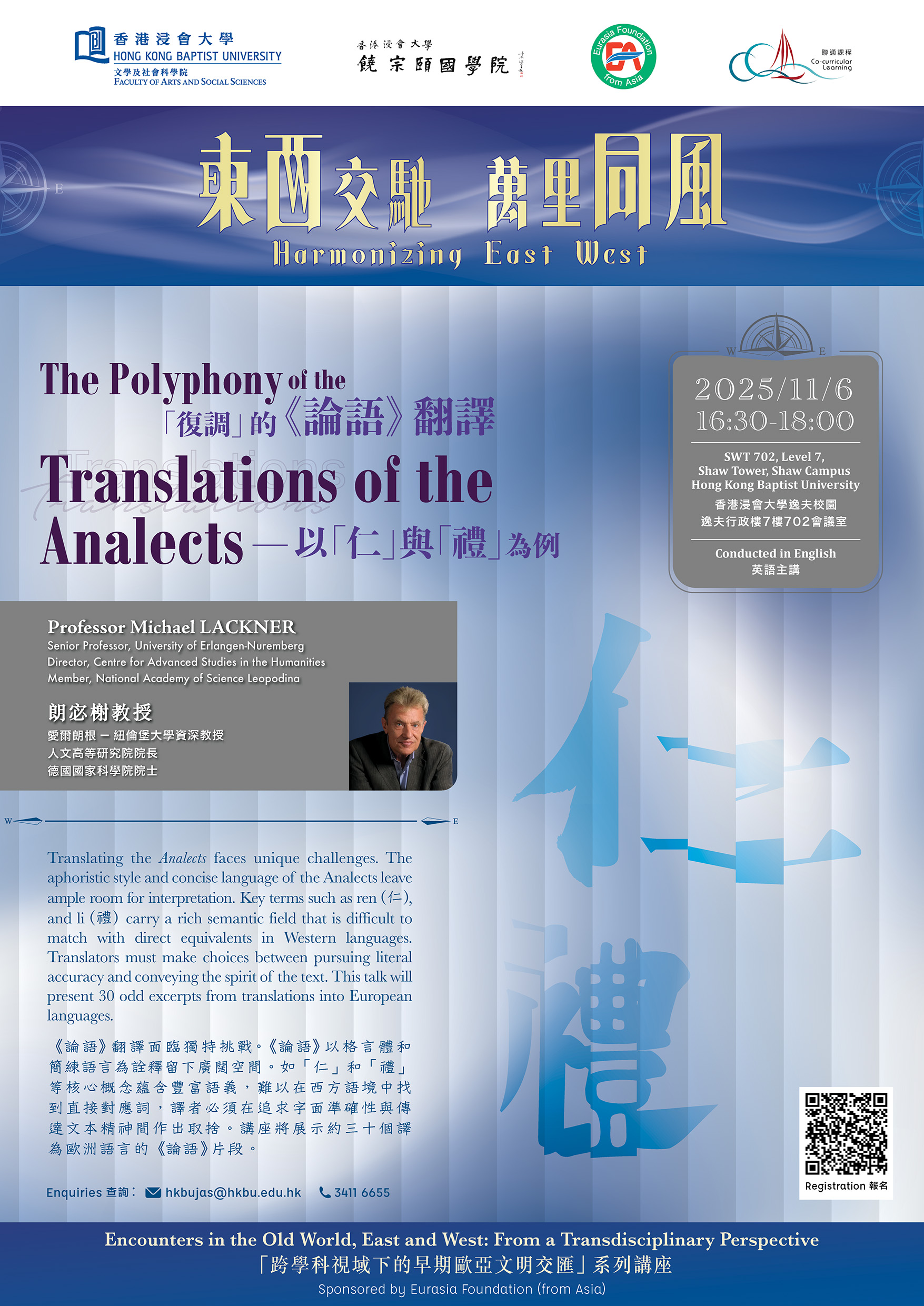
Professor Michael LACKNER: The Polyphony of the Translations of the Analects (2025/11/06)

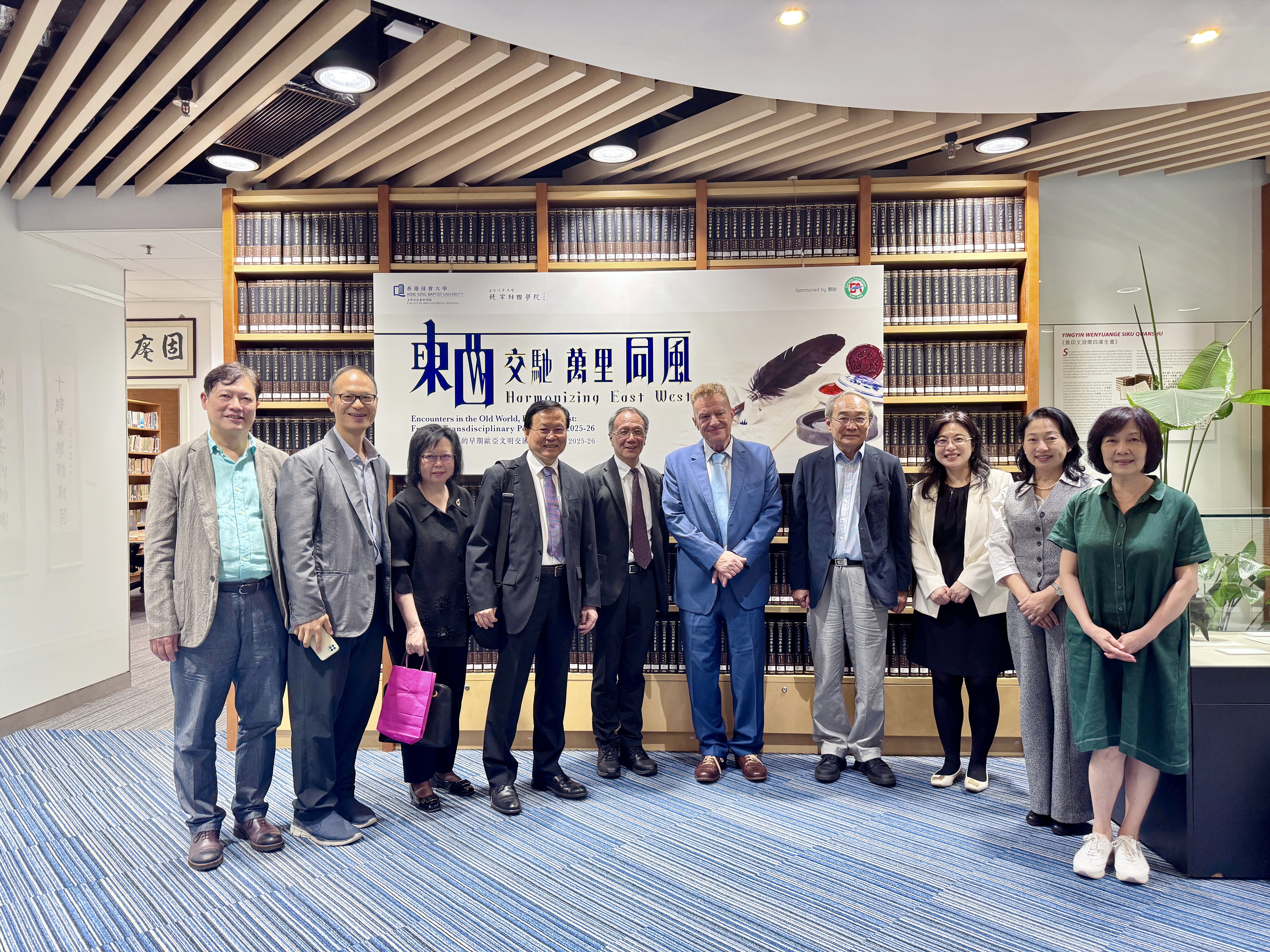
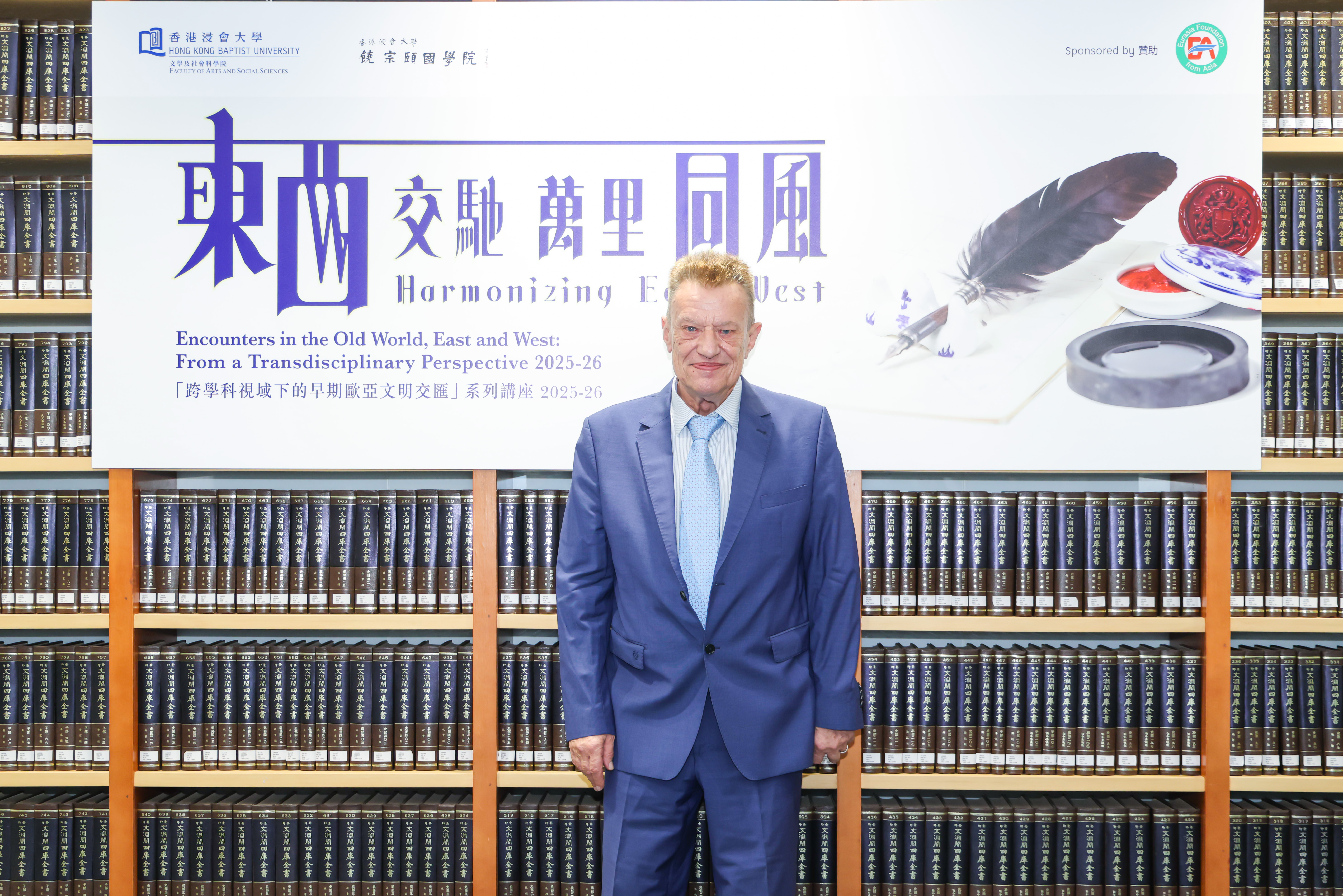
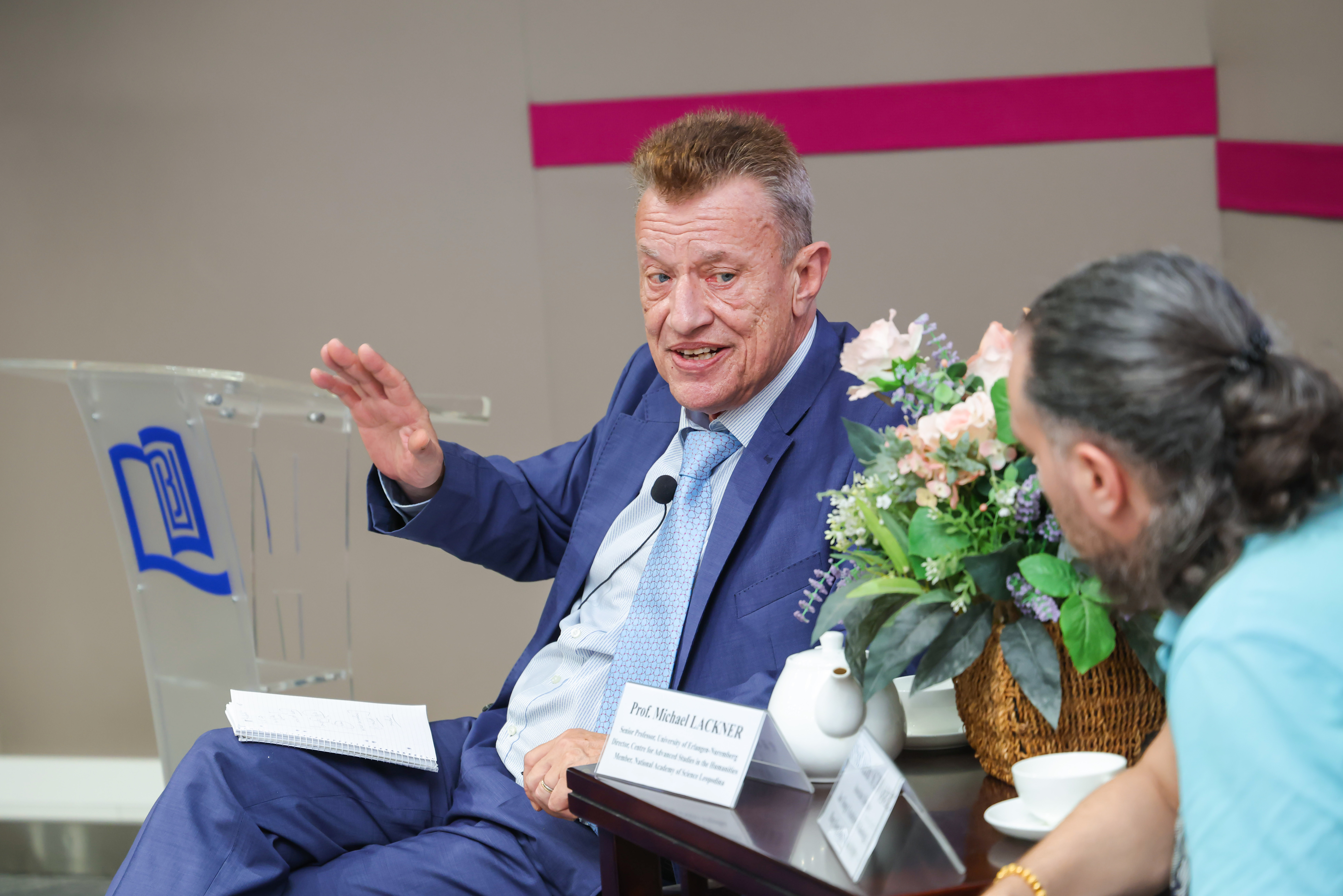
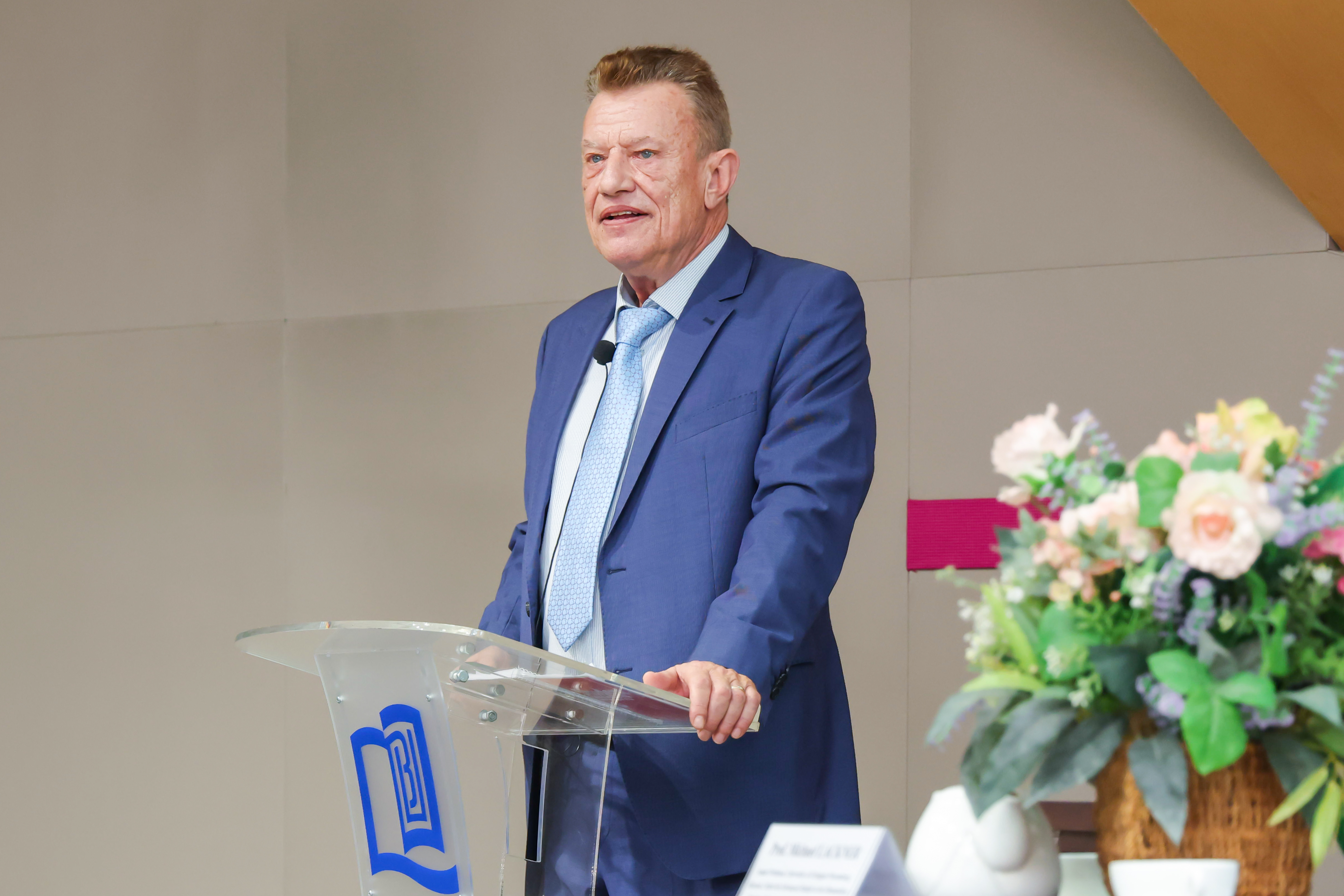
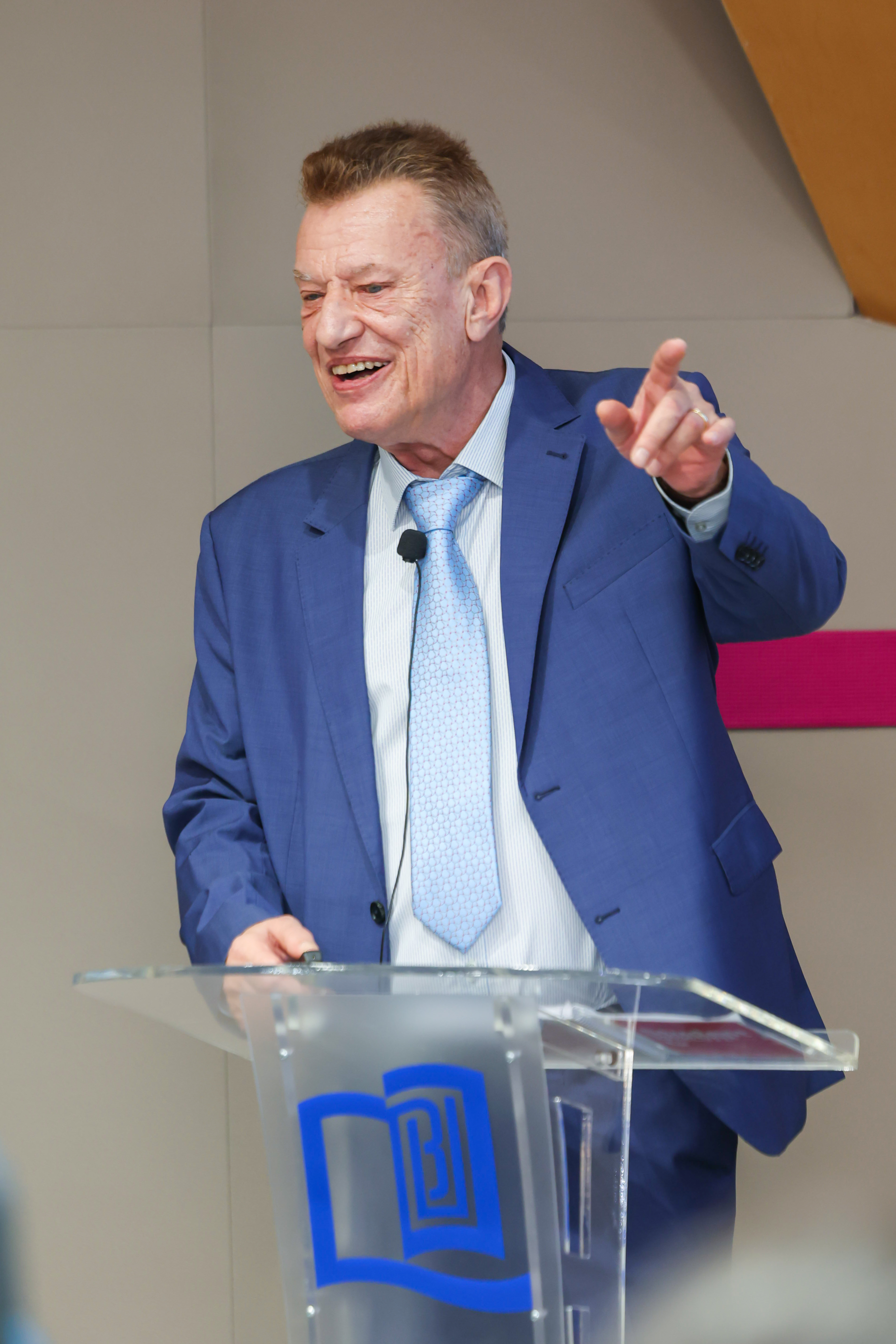
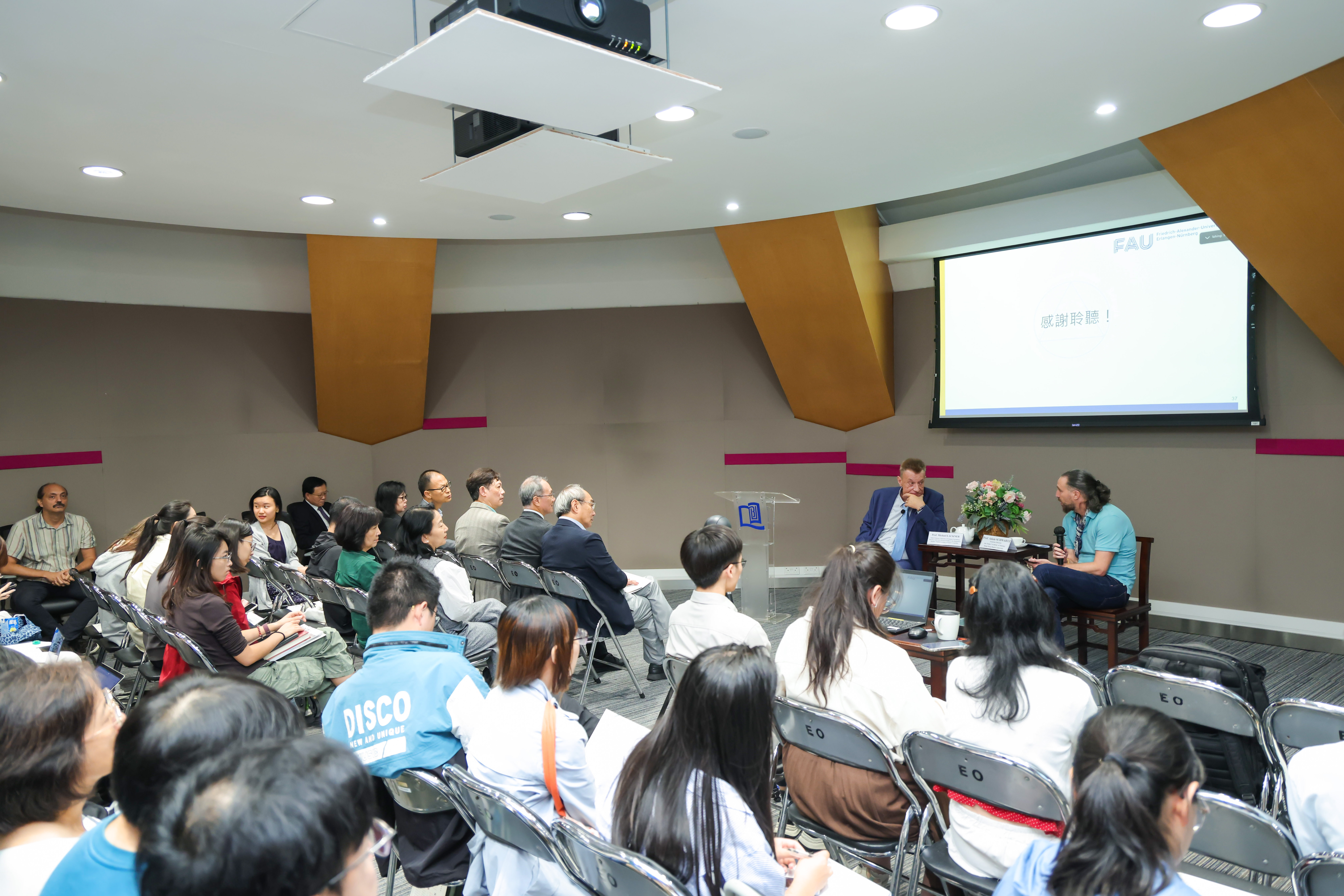
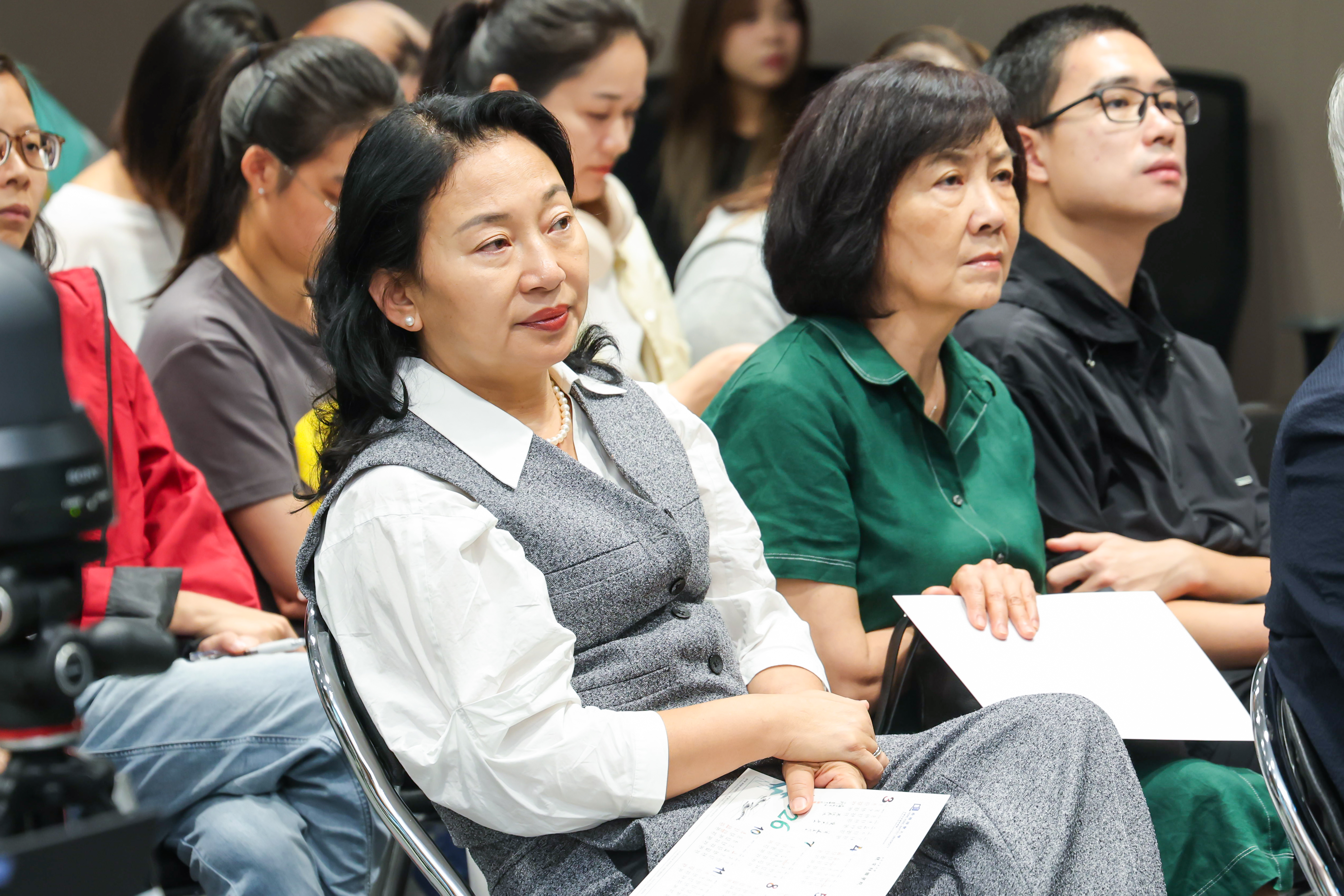
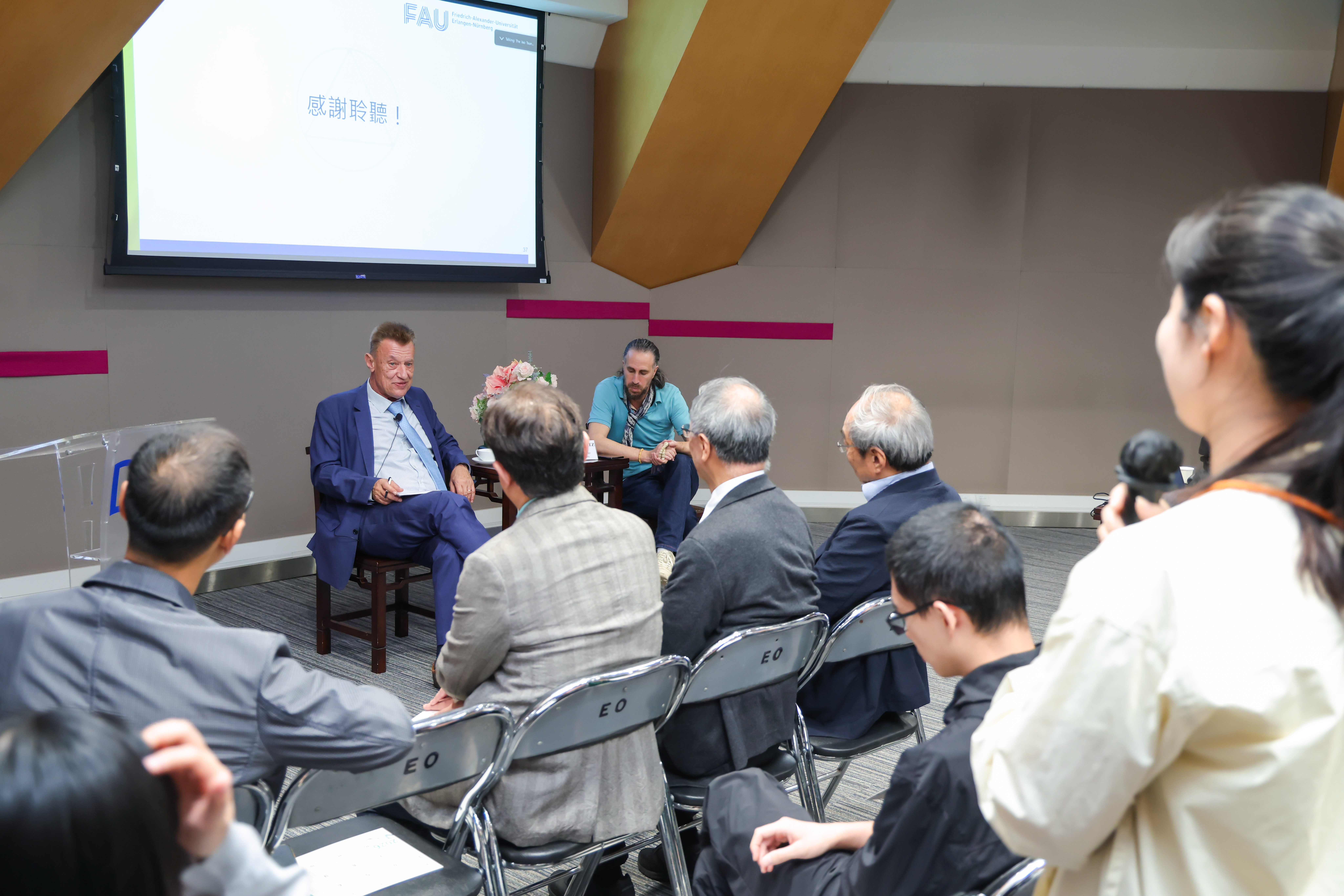
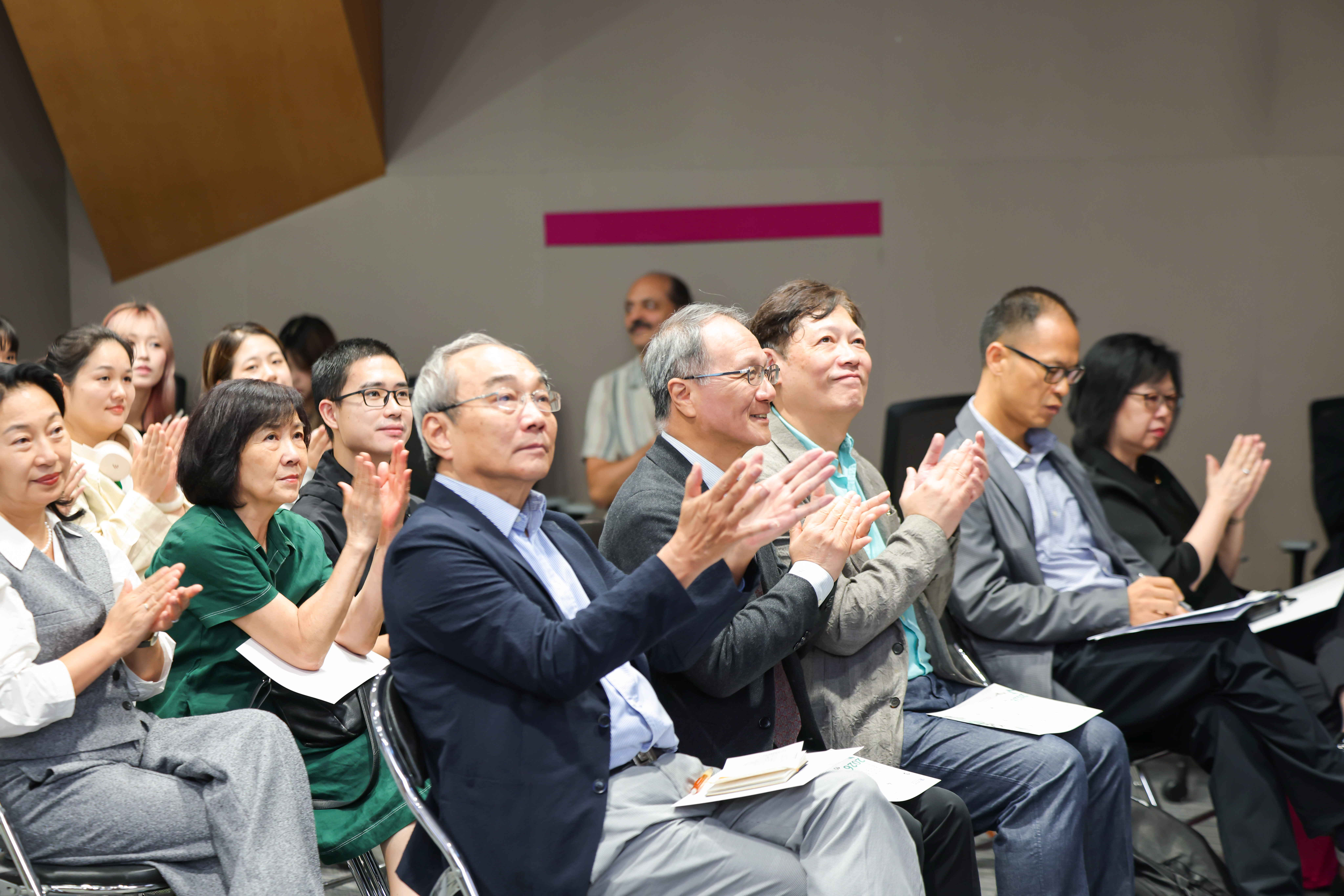
After an eight-year hiatus, Jao Tsung-I Academy of Sinology once again invited Professor Michael Lackner—Member of the German National Academy of Sciences Leopodina, Senior Professor at the University of Erlangen-Nuremberg, and Director of Centre for Advanced Studies in the Humanities—to give a public lecture entitled “The Polyphony of the Translations of the Analects”.
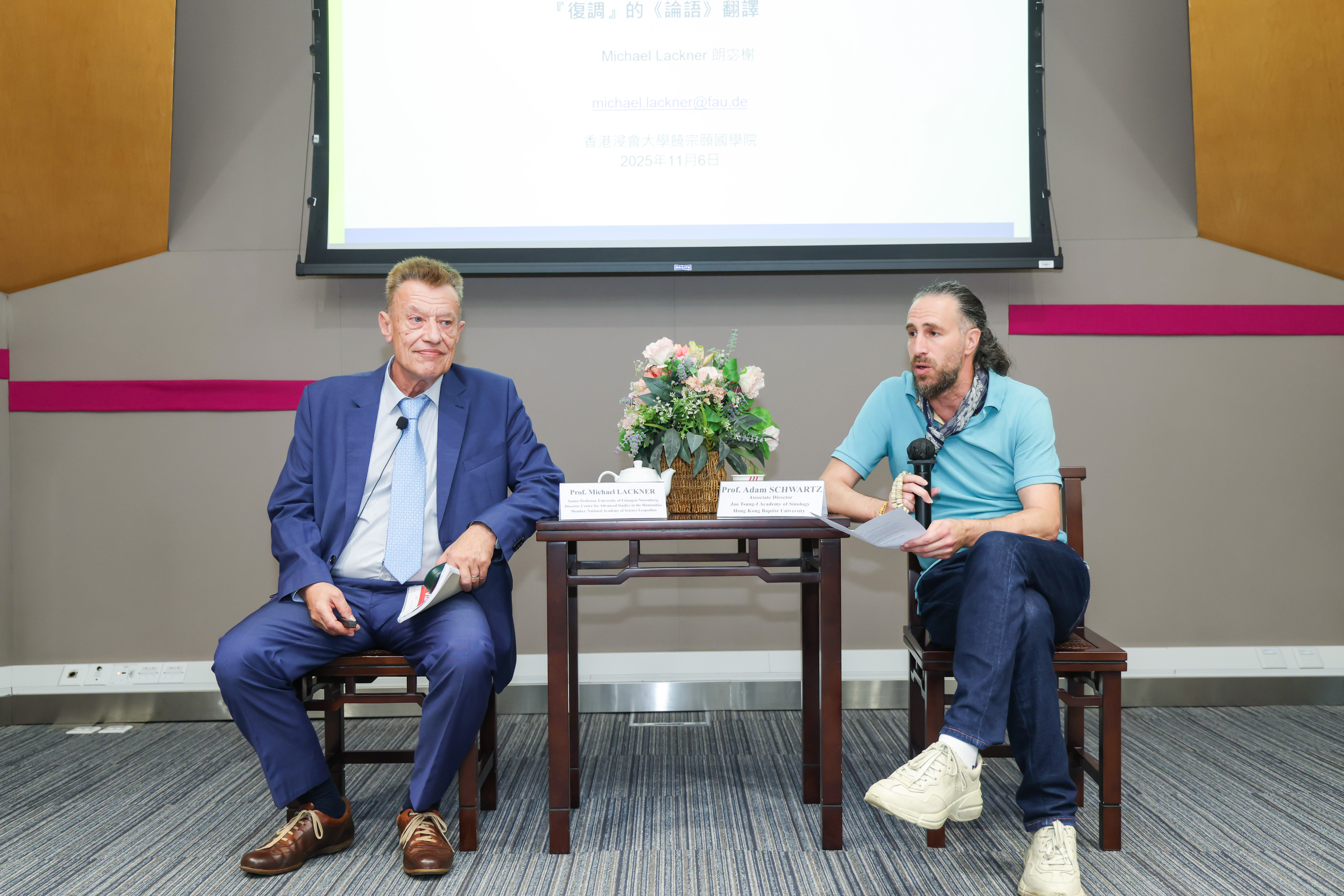
This lecture marked the fifth session in the “Encounters in the Old World, East and West: From a Transdisciplinary Perspective” series and took place at the Academy on 6 November, with Associate Director Professor Adam Schwartz serving as moderator. The lecture attracted the participation of many renowned local and overseas scholars, including Prof. Wang Fan-sen (Distinguished Research Fellow, Institute of History and Philology, Academia Sinica) & Mrs. Wang, Prof. Kwok-kan Tam (Dean of the School of Humanities and Social Science (SHSS) and Chair Professor of English, The Hang Seng University of Hong Kong) and Prof. Terry Siu-han Yip (Emeritus Professor at the Department of English Language and Literature, Hong Kong Baptist University), Prof. Hon Tze-ki (Dean, School of Humanities and Social Science, Beijing Normal-Hong Kong Baptist University), Prof. Lai Tsz Pang John (Professor of Department of Cultural and Religious Studies, The Chinese University of Hong Kong), Mr. Lo Wai-shing, Raymond (Director of Hok Hoi Library), and Prof. Janice Pan (Director of Academy of Language and Culture, Hong Kong Baptist University).
In this lecture, Professor Michael Lackner offered an in-depth examination of the translation strategies, interpretive frameworks, and terminological challenges involved in rendering the Analects into European languages. He noted that more than 130 translations of the Analects now exist across 37 languages, yet substantial divergences remain in lexical choices and semantic articulation due to differences in cultural contexts and linguistic structures. Professor Lackner devoted particular attention to the translation of the Confucian core concept ren, a term marked by rich ethical, political, and ritual connotations. He observed that earlier translators approached ren through interpretive lenses such as “benevolence,” “human nature,” or “moral character,” resulting in a constellation of perspectives reminiscent of circumnavigating an unfamiliar island. He argued that such translation practices—shaped jointly by linguistic constraints, cultural presuppositions, and interpretive strategies—provide a productive means for apprehending the multilayered significance of ren.
The lecture also addressed manuscript evidence of the Analects recovered in recent archaeological discoveries, which may prompt a reassessment of the text’s transmission and the development of its intellectual content. Professor Lackner emphasized that translation is not a simple linguistic transfer but necessarily entails commentary and cultural interpretation on the part of the translator, often requiring supplementary annotation to facilitate reader comprehension.
During the Q&A session, over 50 faculty members and students present engaged in a lively discussion on topics such as the influence of the translator's cultural background on translation style, and the dynamic relationship between the original text, annotations, and the translated version. The atmosphere was enthusiastic. In conclusion, Professor Lackner underscored the continuing scholarly significance of classical Chinese texts and their translation, calling for sustained engagement with textual transmission and cross-cultural exchange.
Lecture Review: https://hkbutube.lib.hkbu.edu.hk/inner.php?id=BTS-101257.
In 2017, the public lecture by Prof. Michael Lackner: “German Sinology: The Past and Present”: https://jas.hkbu.edu.hk/zh-hk/events/2017/public-lecture-by-prof-michael-lackner.html.