Upcoming Events
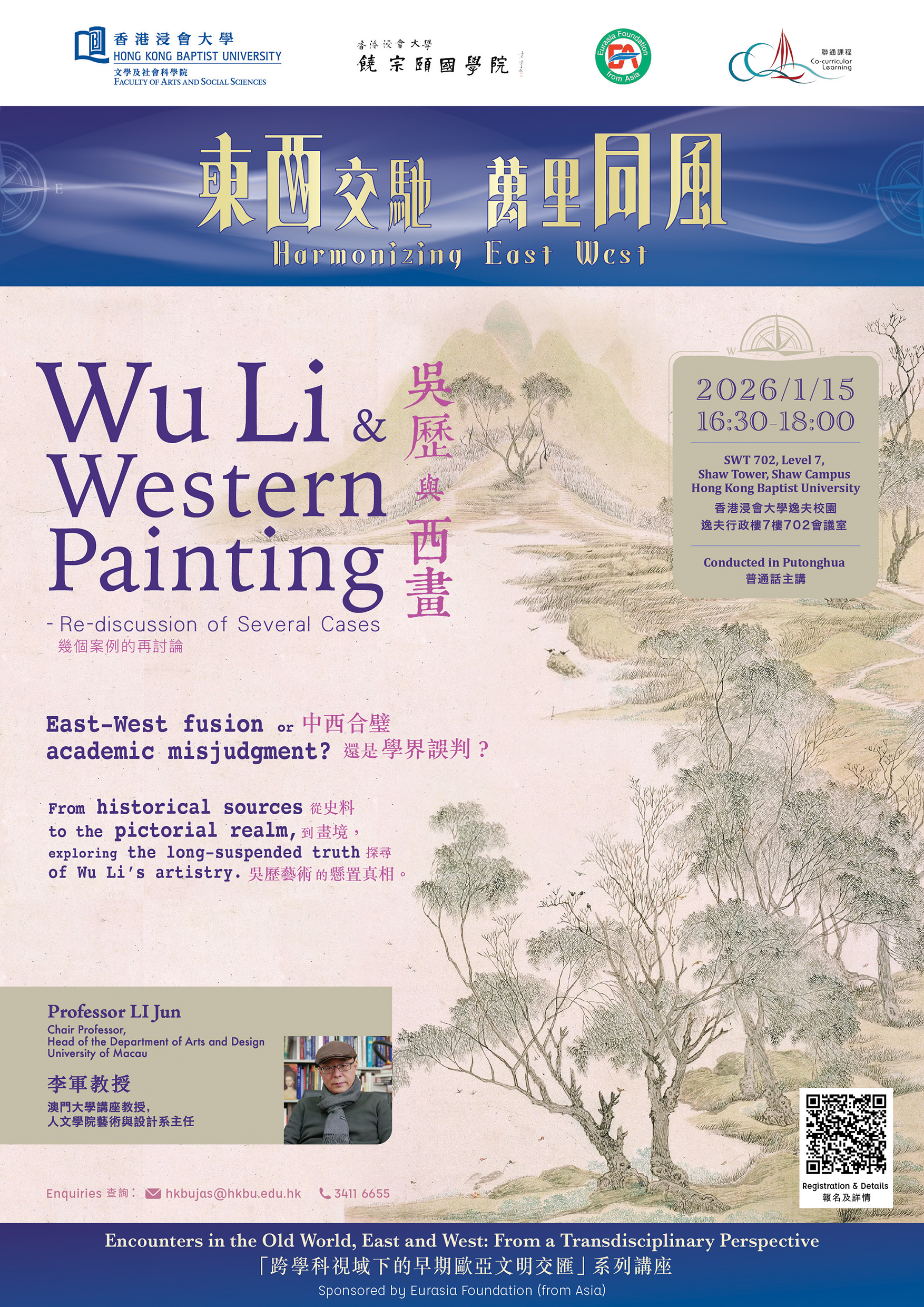
Professor LI Jun: Wu Li and Western Painting - Re-discussion of Several Cases (2026/1/15)

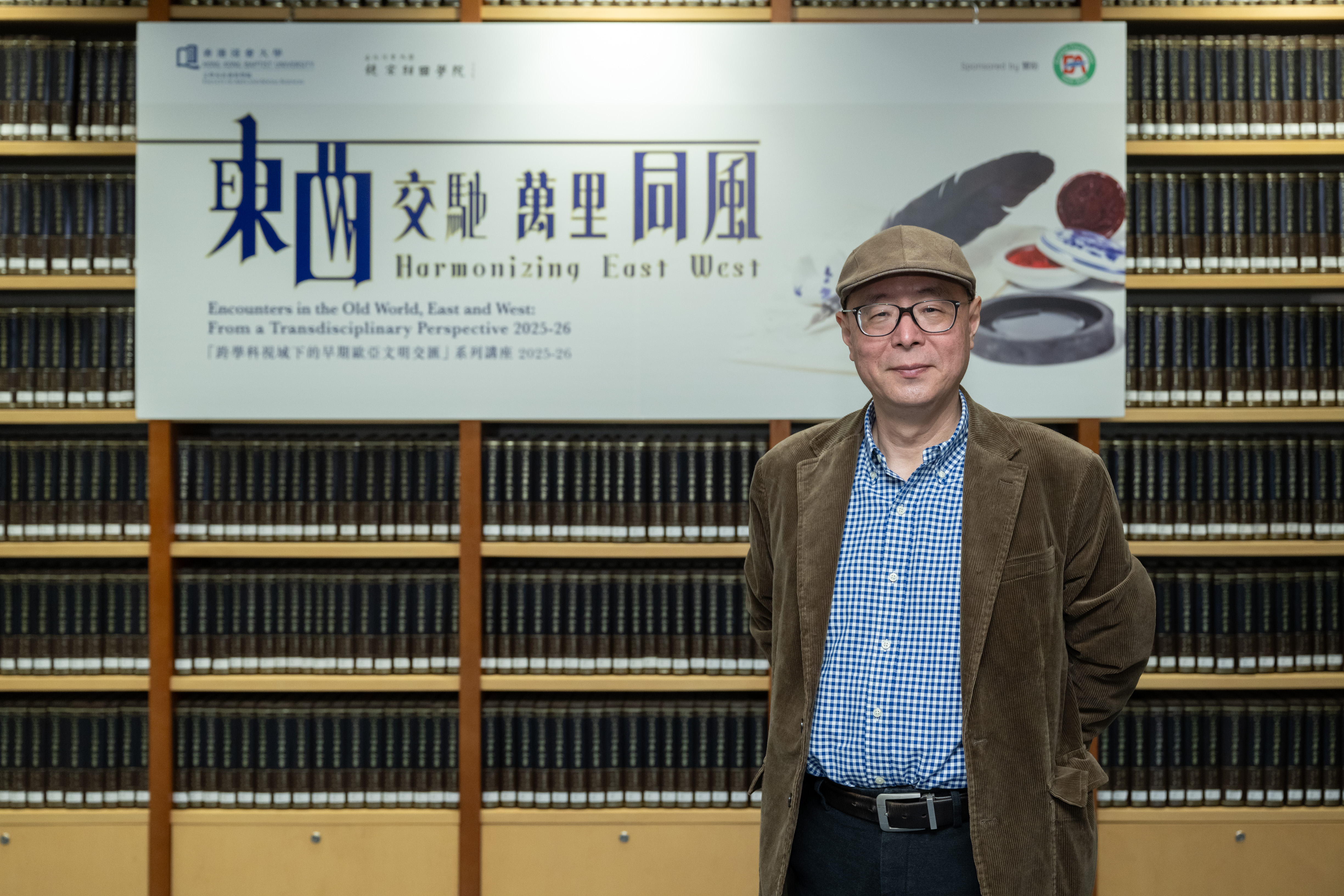
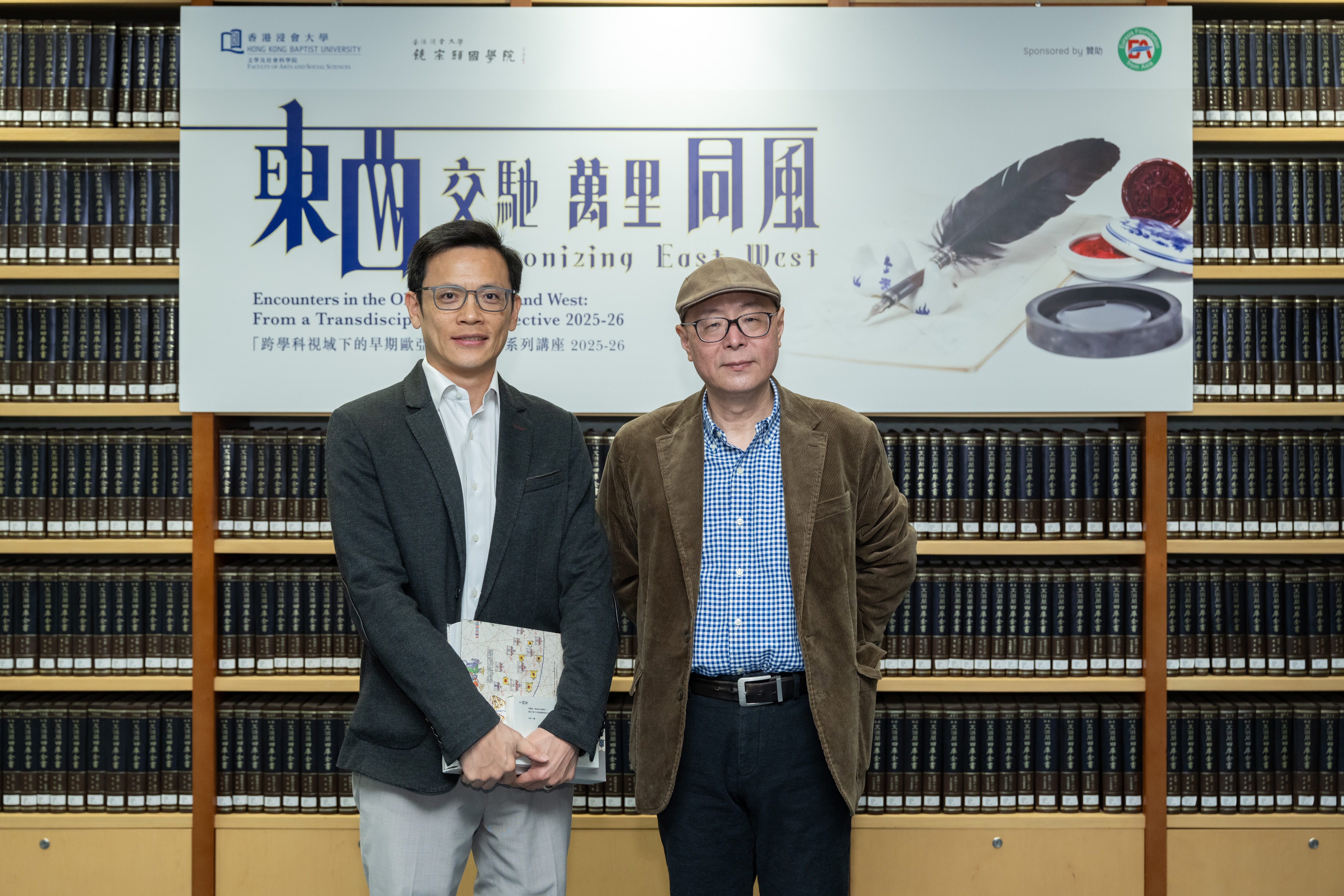
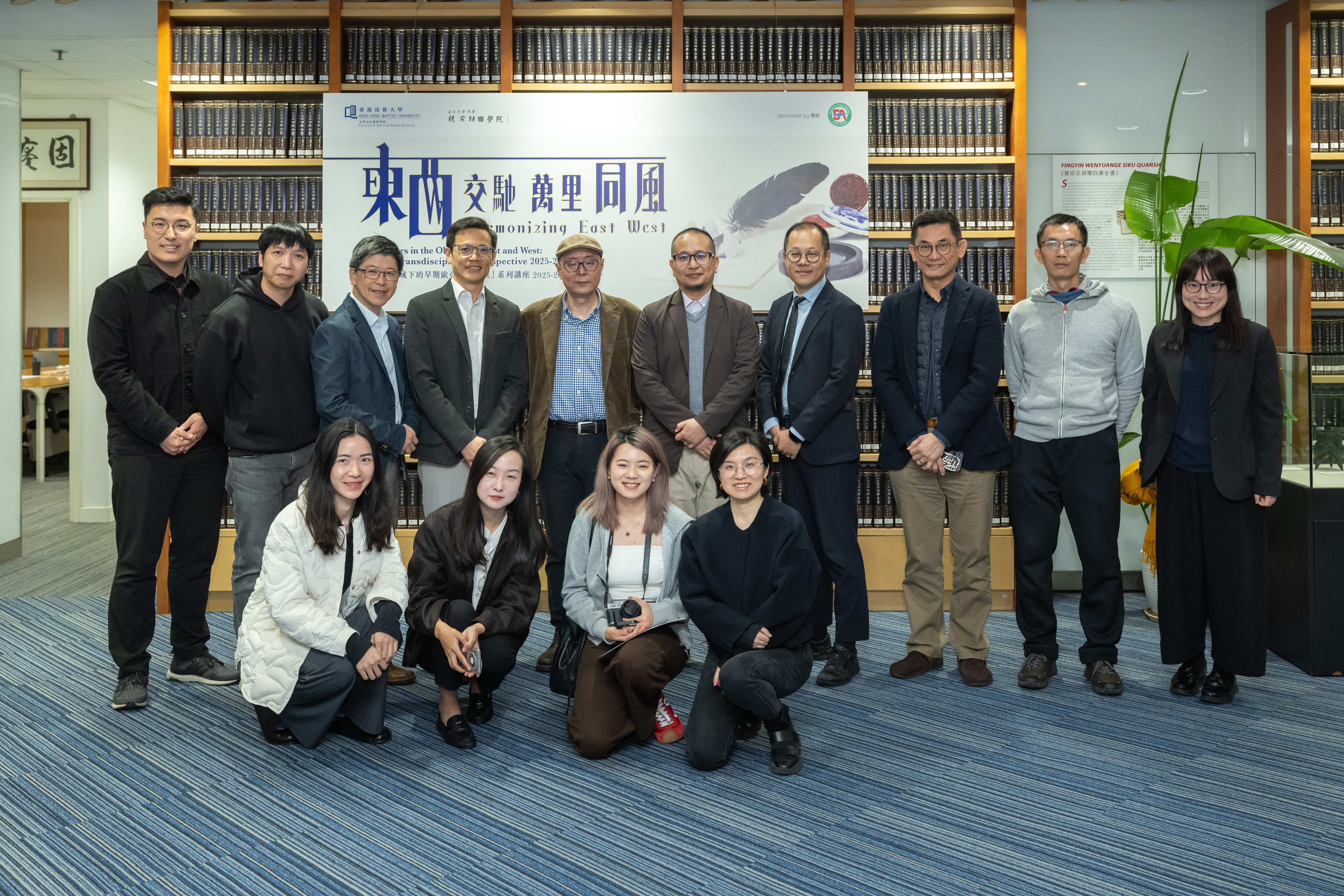
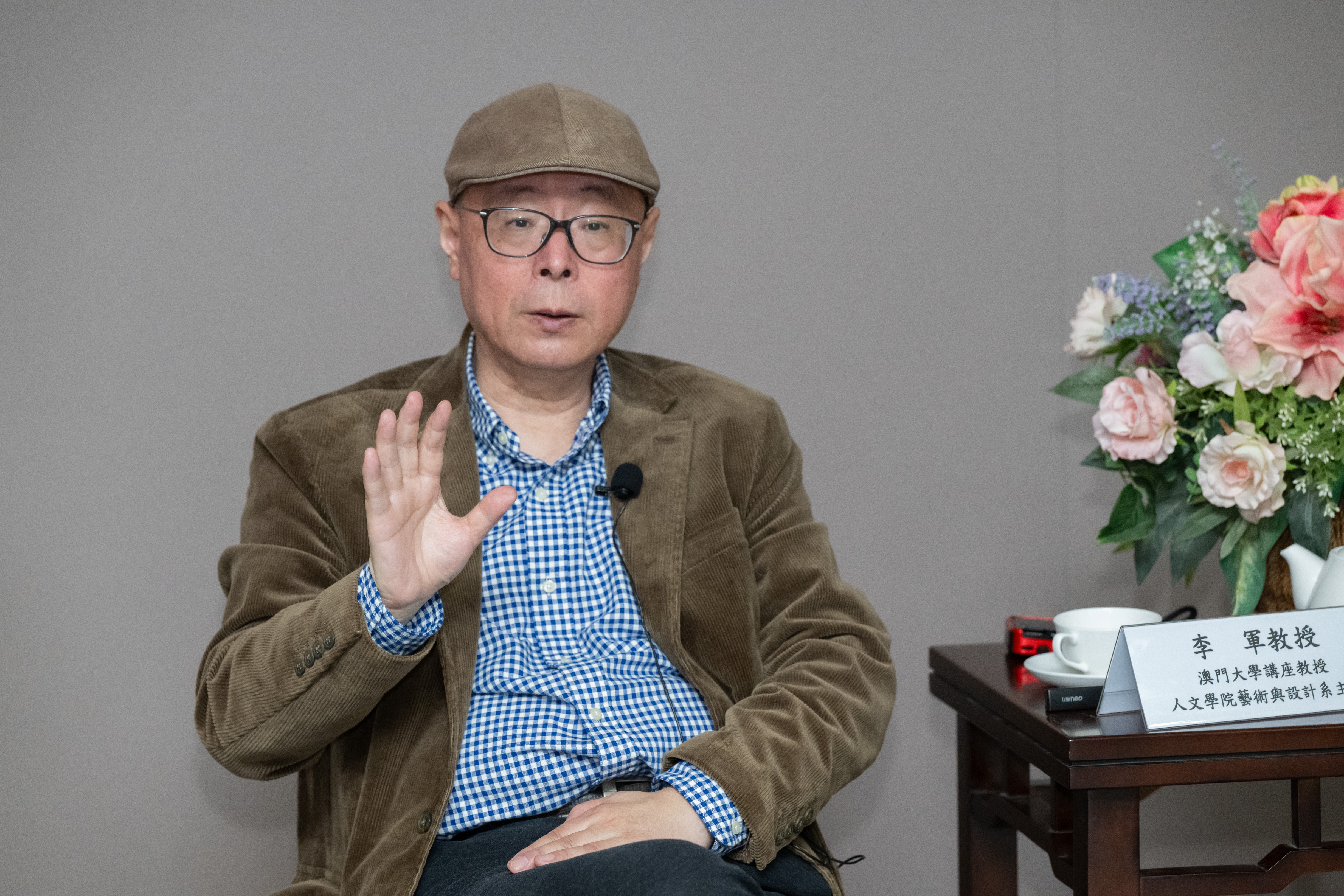
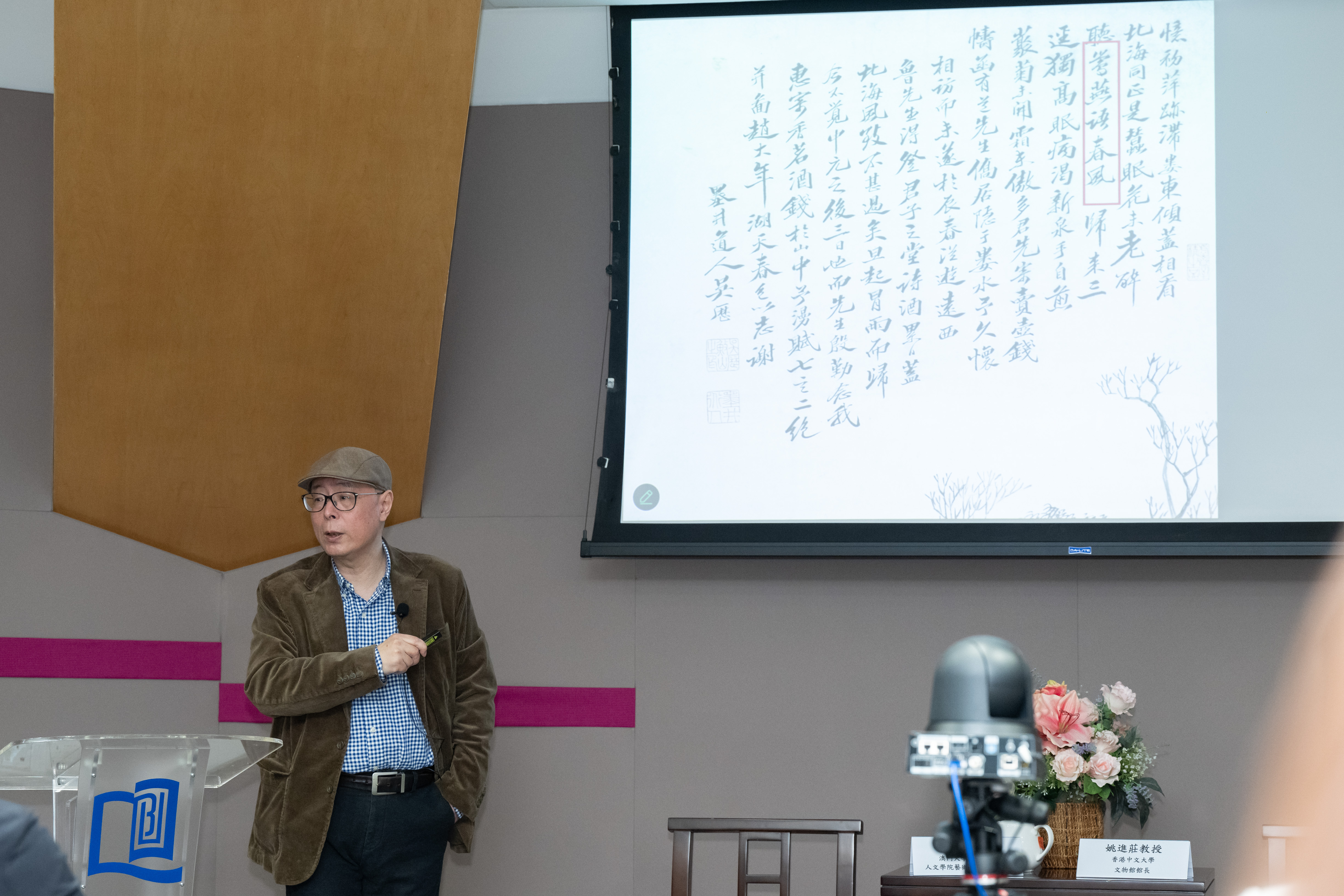
The Jao Tsung-I Academy of Sinology successfully held the tenth lecture in its “Encounters in the Old World, East and West: From a Transdisciplinary Perspective” series on 15 January, supported by the Eurasia Foundation (from Asia). The event featured Professor Li Jun, Chair Professor and Head of the Department of Arts and Design at the University of Macau, who delivered a lecture titled “Wu Li and Western Painting - Re-discussion of Several Cases”.
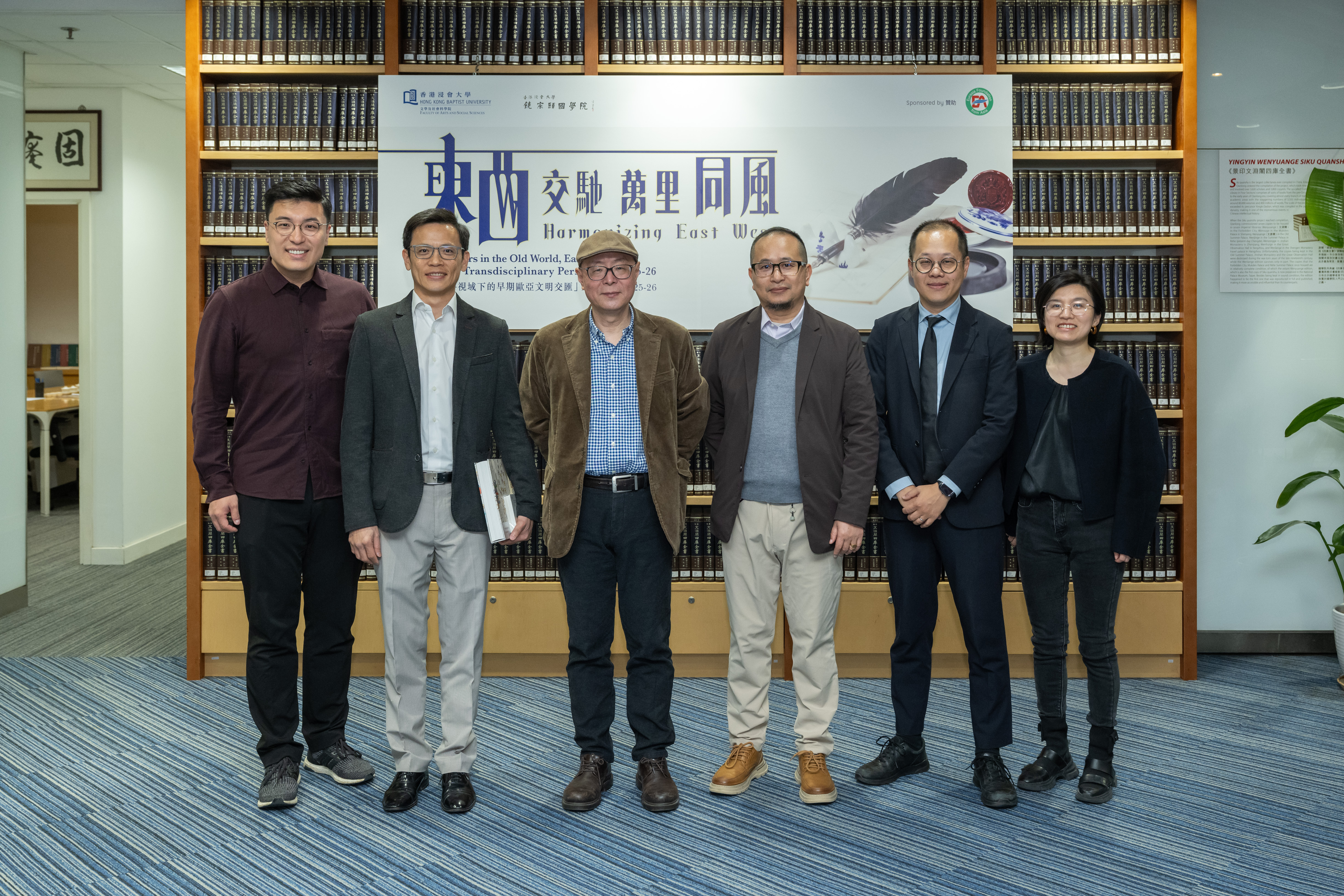
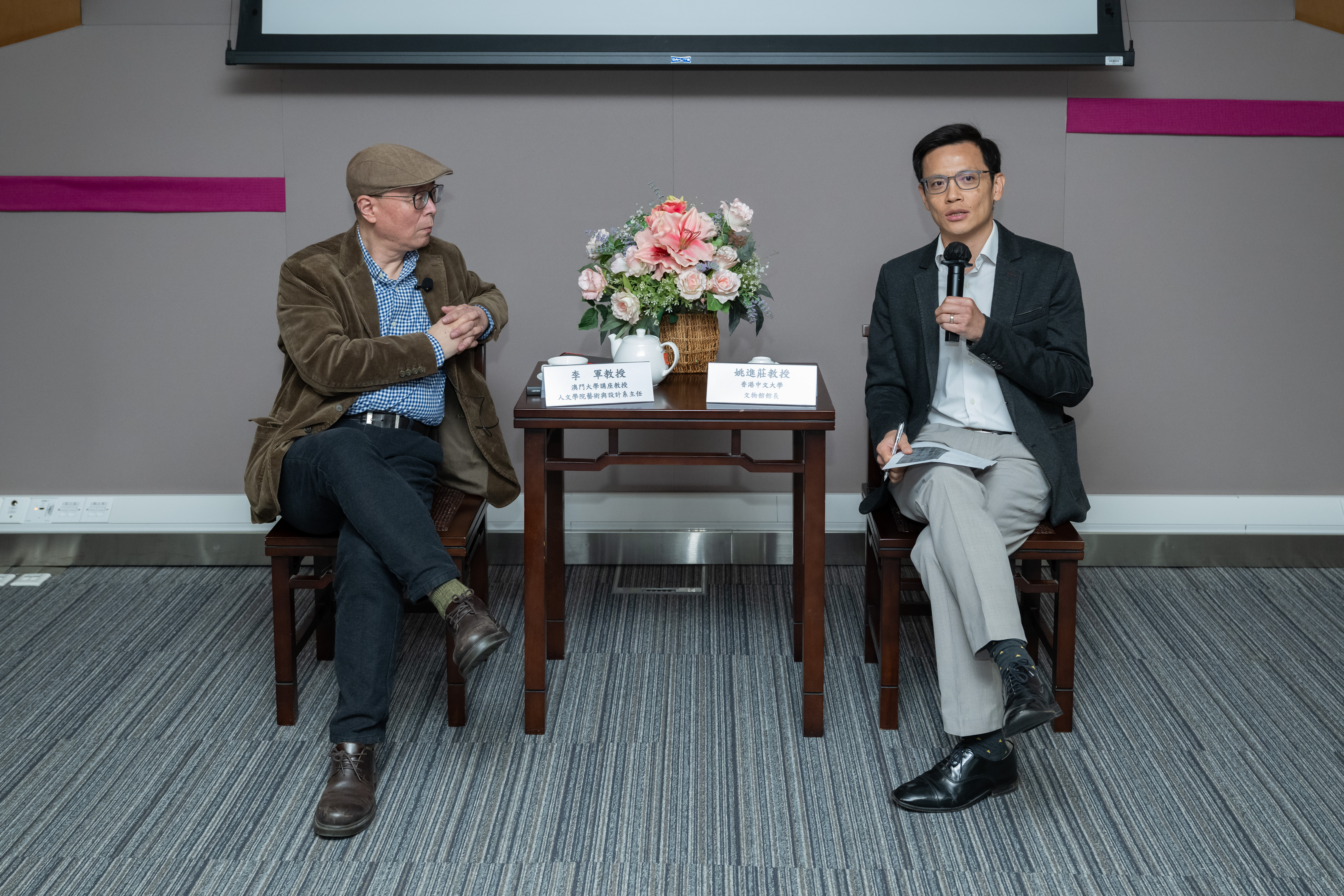
The Academy was honoured to invite Professor Josh Yiu, Director of the Art Museum at The Chinese University of Hong Kong, to serve as the moderator for this lecture. Attending guests included Professor Yang Xu from Faculty of Arts and Humanities at the University of Macau; Dr. Raymond Tang, Deputy Director of the CUHK Art Museum; Professor He Zhenji, Dr. Tong Yu, Dr. Chou Ying-Ching, Dr. Liu Xialing, all from the CUHK Art Museum; Professor Yang Bin and Professor Wang Lianming from the Department of Chinese and History at the City University of Hong Kong; Dr. Shi Liu from the Department of Chinese History and Culture at The Hong Kong Polytechnic University; Professor Lau Chak Kwong from the Academy of Visual Arts at the School of Creative Arts, and Professor Li Kin-sum from the Academy of Chinese, History, Religion and Philosophy, both at Hong Kong Baptist University.
Professor Li Jun took the scholarly debate over whether Wu Li incorporated Western painting techniques in his later years as a starting point, and identified two main positions in existing research: one side, based on hearsay, believes that Wu Li was influenced by Western painting but lacks verifiable evidence; the other side, represented by Chen Yuan, cites Wu Li’s colophons emphasizing “spiritual freedom” (shen yi) over “light and shadow” (yin yang xiang bei), thus arguing that Wu Li was not substantively influenced by Western art. Professor Li advocated for a shift in perspective: rather than focusing on whether Wu Li actually adopted Western methods, it is more productive to return to the historical context and consider how, in an environment deeply immersed in Western culture, Wu Li could have entirely avoided the influence of Western painting.
The lecture pointed out that Wu Li once studied Latin and theology at the St. Paul’s Retreat in Macau, and joined the Jesuit Order in the twenty-first year of the Kangxi reign (1682). As a result, he possessed both religious imagery and visual experiences worth examining, and may have had indirect connections with the Jesuit tradition of Western painting. In terms of case studies, Professor Li Jun cited the painting “Rustic Hut and Level Grove” (yeshu pinglin tu) as an example, emphasizing that the attribution of artworks must be grounded in documentary and pictorial evidence. The lecture also incorporated field investigations to verify Wu Li’s missionary activities in Jiading’s Loutang town, further clarifying the references to place names such as “Liucheng,” “Liuxiang,” and “Taoxi” in his painting inscriptions, thereby providing more verifiable coordinates regarding Wu Li’s biography and geographic context.
During the Q&A session, attendees actively engaged with the speaker. Moderator Professor Yiu expressed that he was deeply inspired by Professor Li’s shift in problem awareness and engaged in an in-depth dialogue with him over issues such as cross-verifying field data with extant images. The entire lecture combined literature, imagery, and fieldwork in a mutually referential manner, providing a scholarly and profound reinterpretation of Wu Li’s artistic characteristics within the context of early Qing Sino-Western cultural exchange.
Lecture Review:
HKBUtube: https://hkbutube.lib.hkbu.edu.hk/inner.php?id=BTS-101278