Upcoming Events
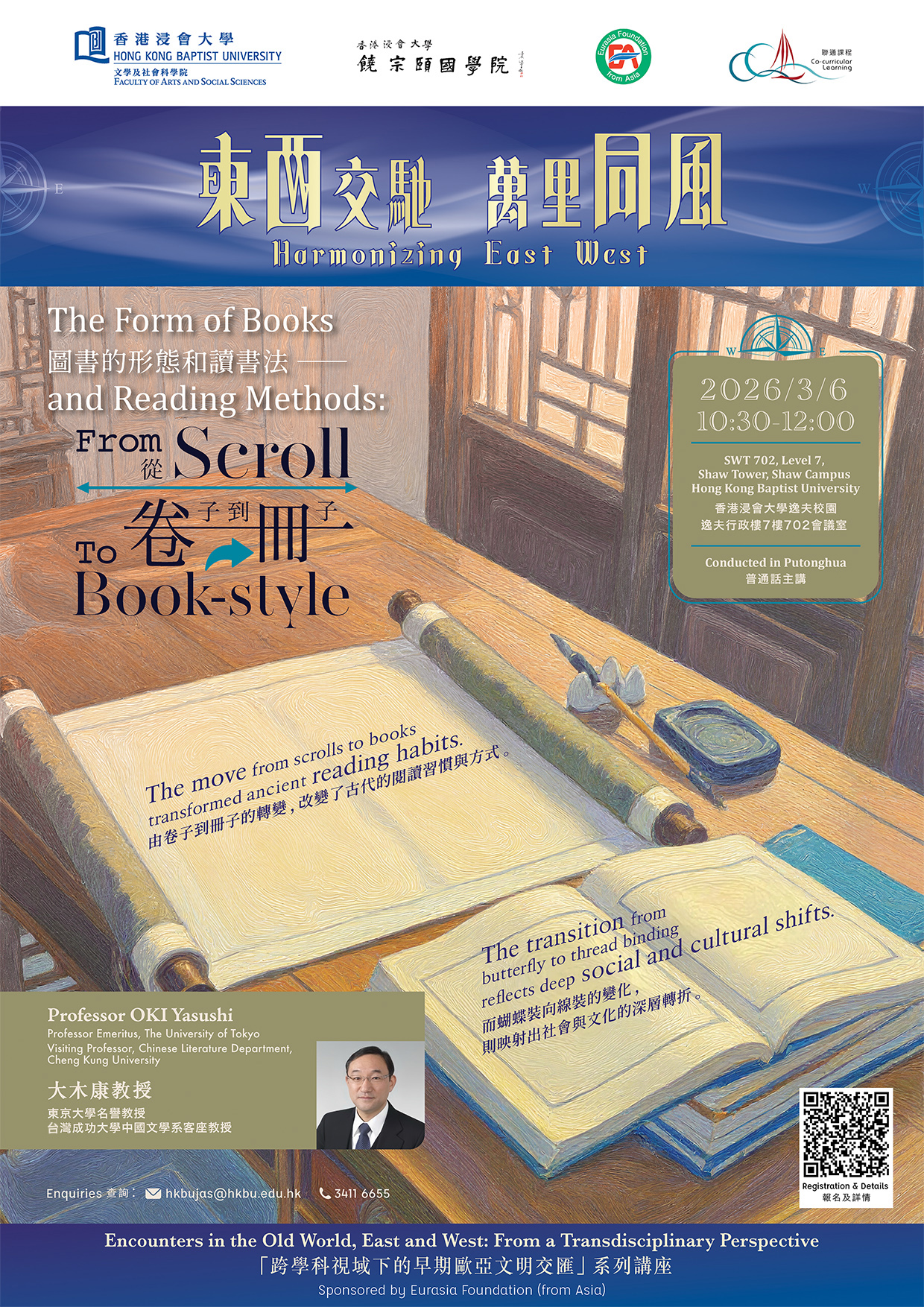
Professor OKI Yasushi: The Form of Books and Reading Methods: From Scroll to Book-style (2026/3/6)

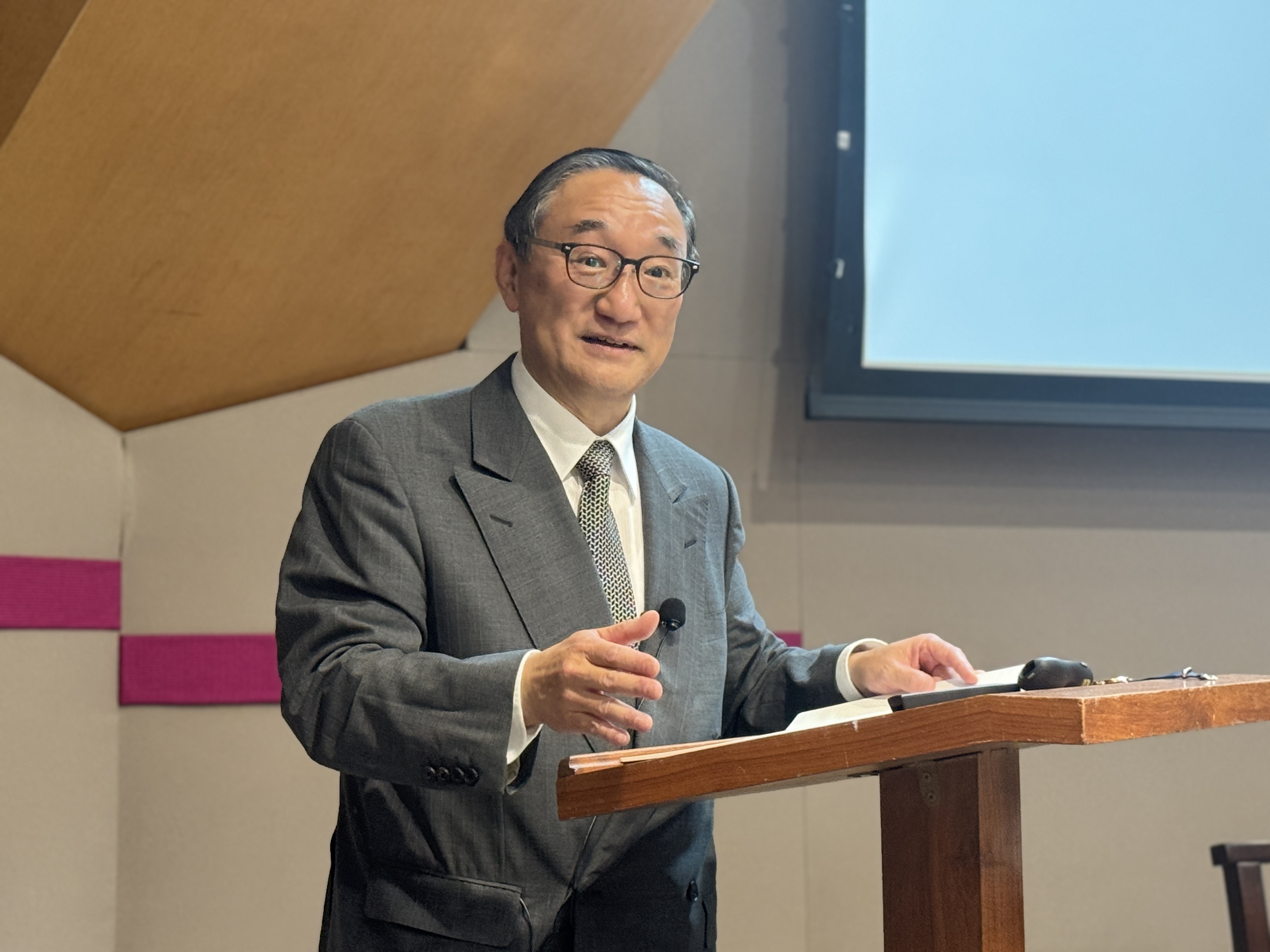
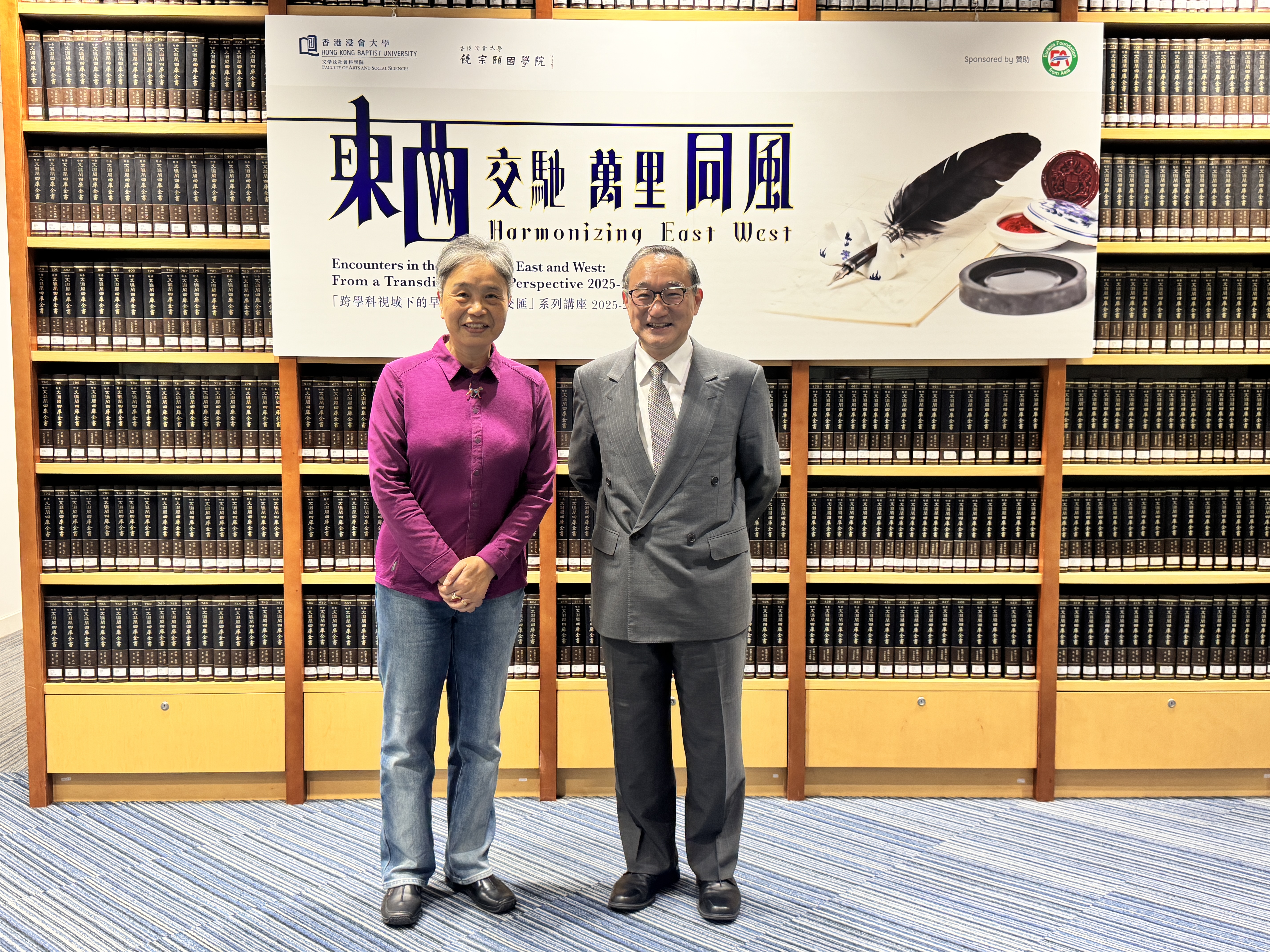
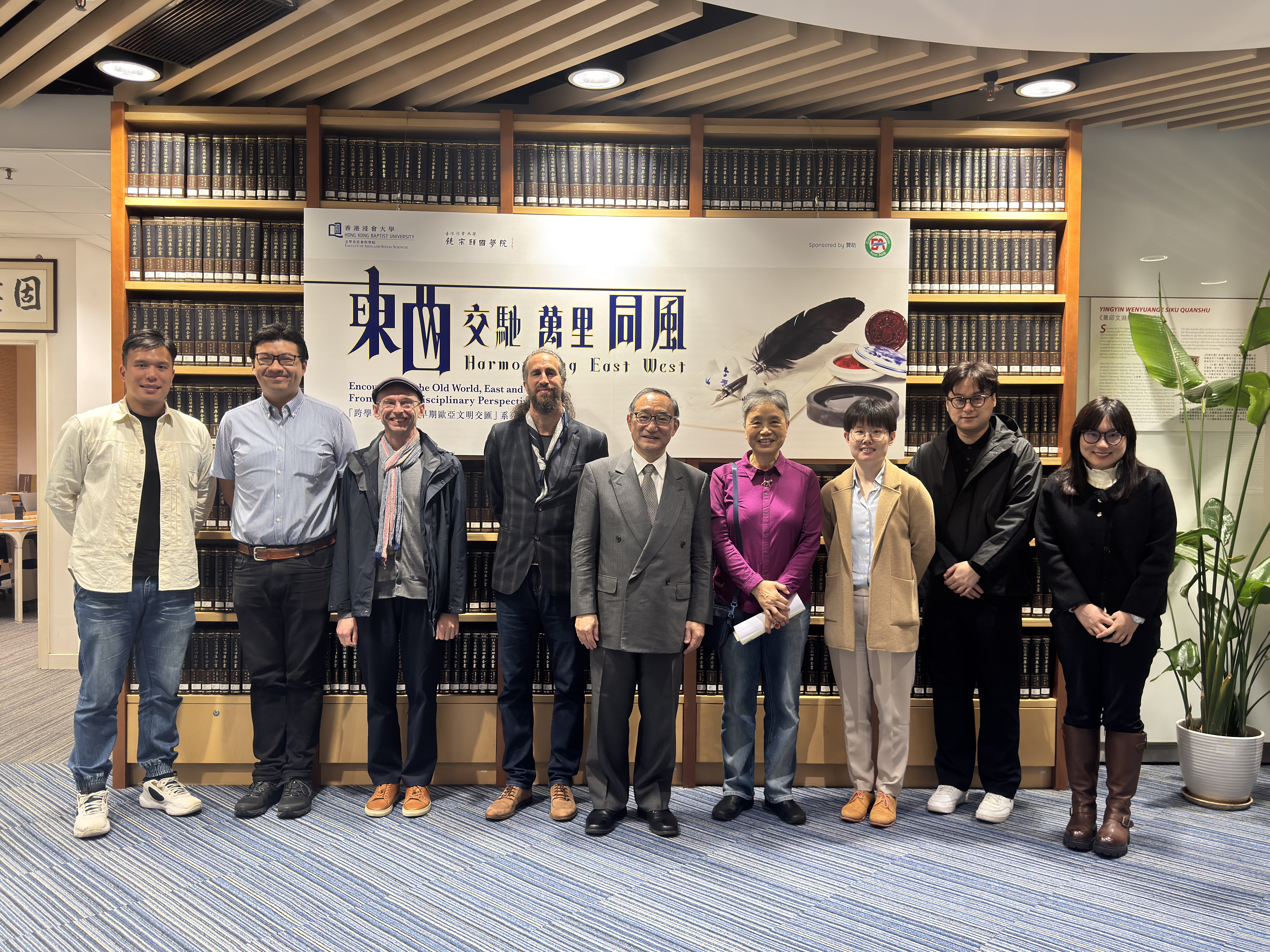
The Jao Tsung-I Academy of Sinology successfully held the 12th lecture in its “Encounters in the Old World, East and West: From a Transdisciplinary Perspective” series on 6 March, supported by the Eurasia Foundation (from Asia). The event featured Professor Oki Yasushi, Professor Emeritus of the University of Tokyo, and Visiting Professor at the Chinese Literature Department of Cheng Kung University, who delivered a lecture titled “The Form of Books and Reading Methods: From Scroll to Book-style”.
This event marked Professor Oki's long-awaited return to the Academy after his participation in “The Second International Forum on Sinology” in 2017, thus resuming an academic dialogue that had spanned nearly a decade. The lecture delved into the transformation from scroll to book-style, highlighting not only technological advancements but also reflecting the changes in reading habits, modes of knowledge transmission, and academic culture. The event attracted more than 50 faculty members and students.
Professor Oki began by outlining the evolution of book forms: from bamboo and wooden slips to scrolls. With the development of bookbinding techniques, various formats emerged, such as dragon-scale binding, accordion binding, butterfly binding, wrapped-back binding, and thread binding. He pointed out that the advancement and dissemination of printing technology, especially the popularity of Buddhist scriptures, Confucian classics, and literary works, greatly promoted the prosperity of the publishing industry. The transformation of book forms profoundly influenced people’s attitudes towards books, as well as their reading habits and methods. By the late Ming dynasty, the number of published books surged, the division of labor in woodblock printing became more specialized, and book production became increasingly standardized, with content featuring a rich combination of text and illustrations and serving a variety of functions.
The interactive session was lively with stimulating and inspiring discussions on topics such as the differences between inscriptions and books as records of classics, and how the scroll format influenced reading order.