Upcoming Events
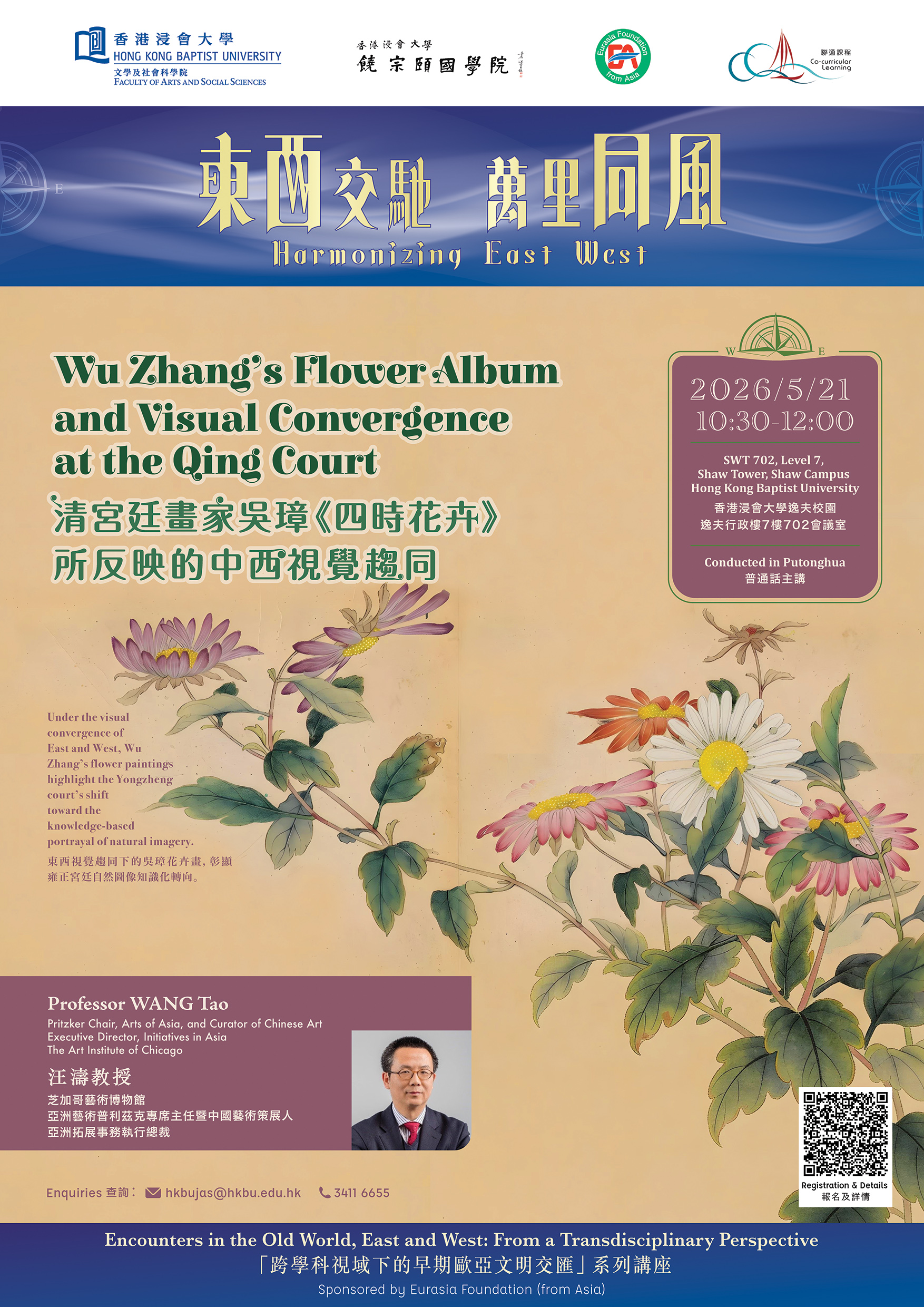
Professor WANG Tao: Wu Zhang’s Flower Album and Visual Convergence at the Qing Court (2026/5/21)

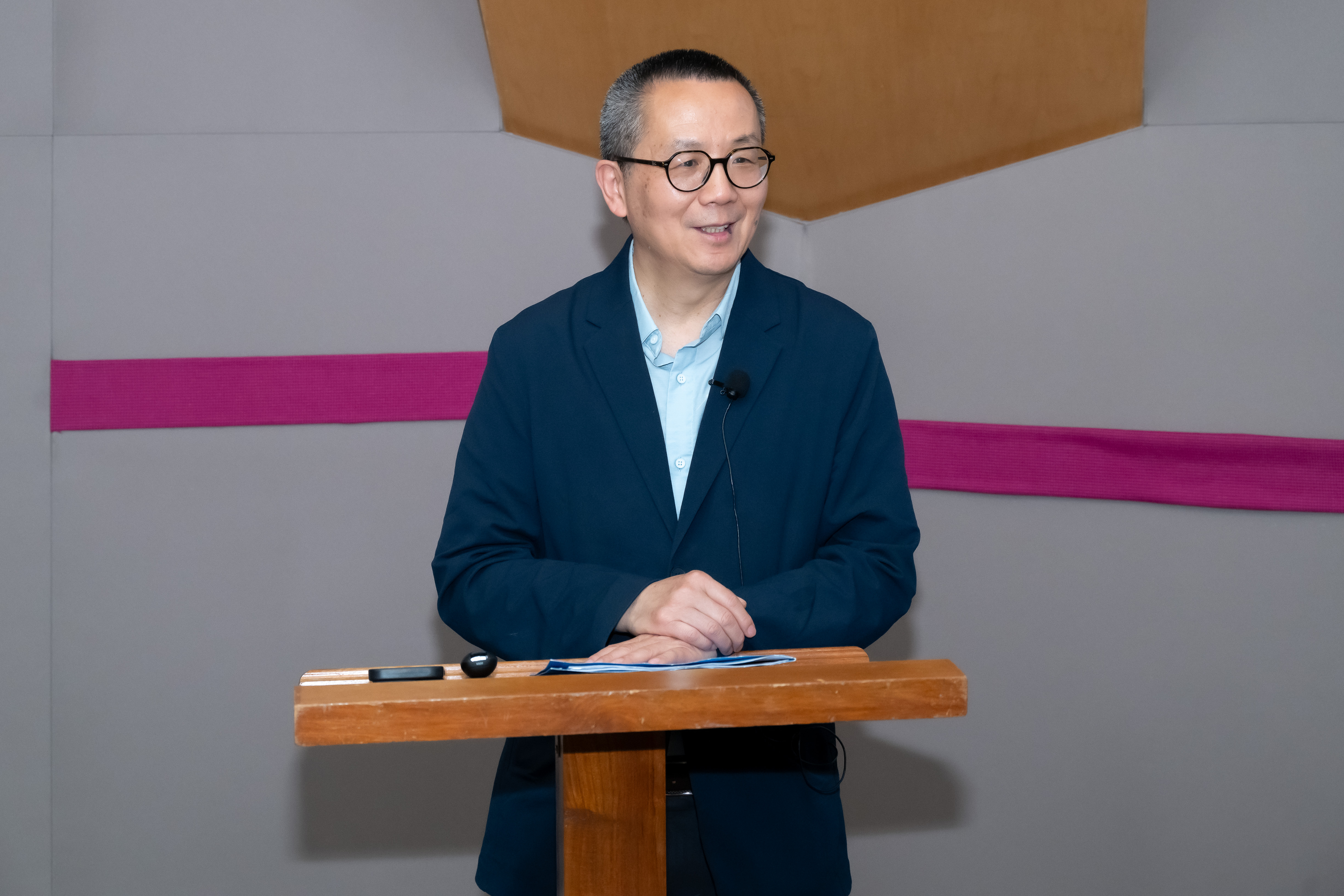
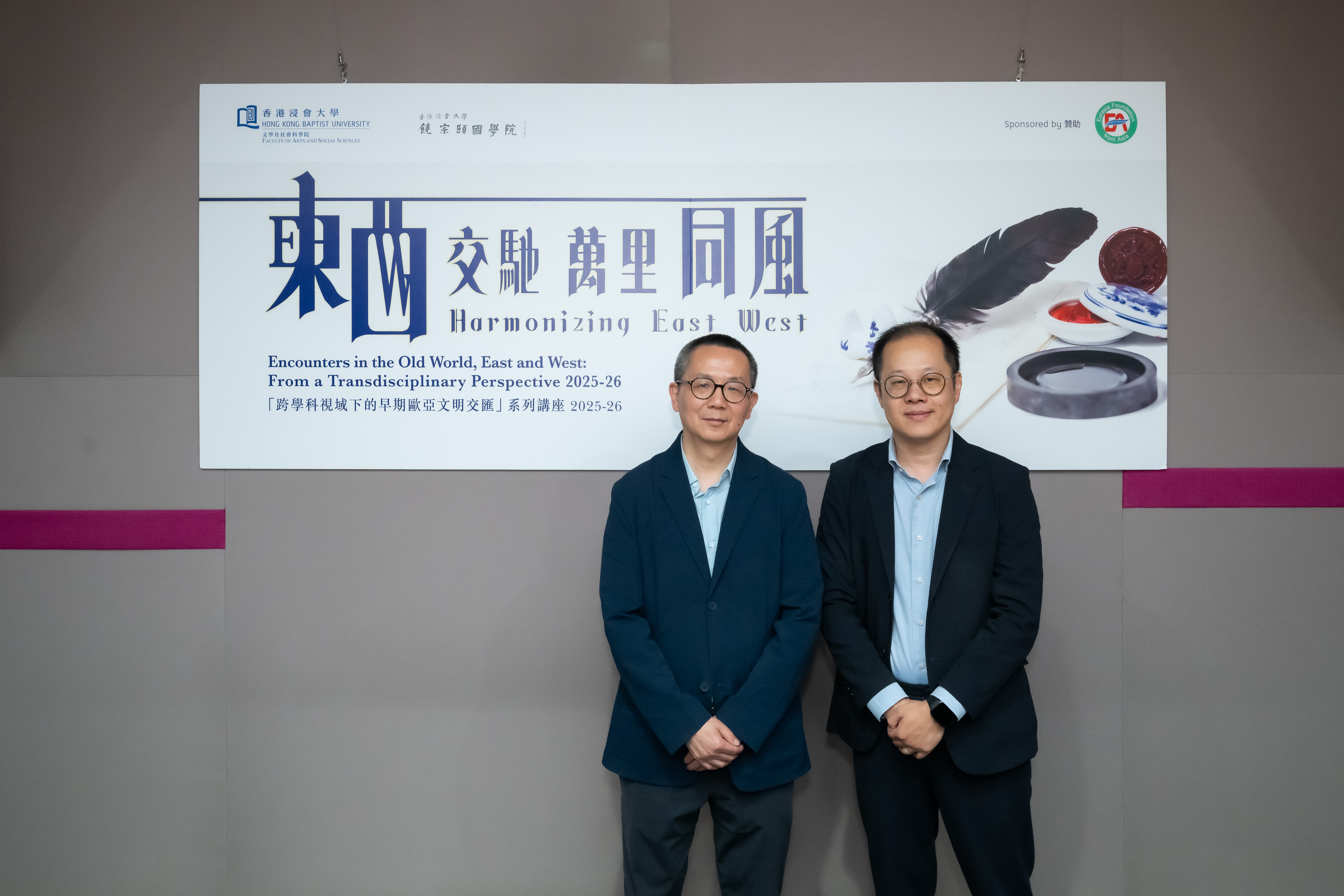
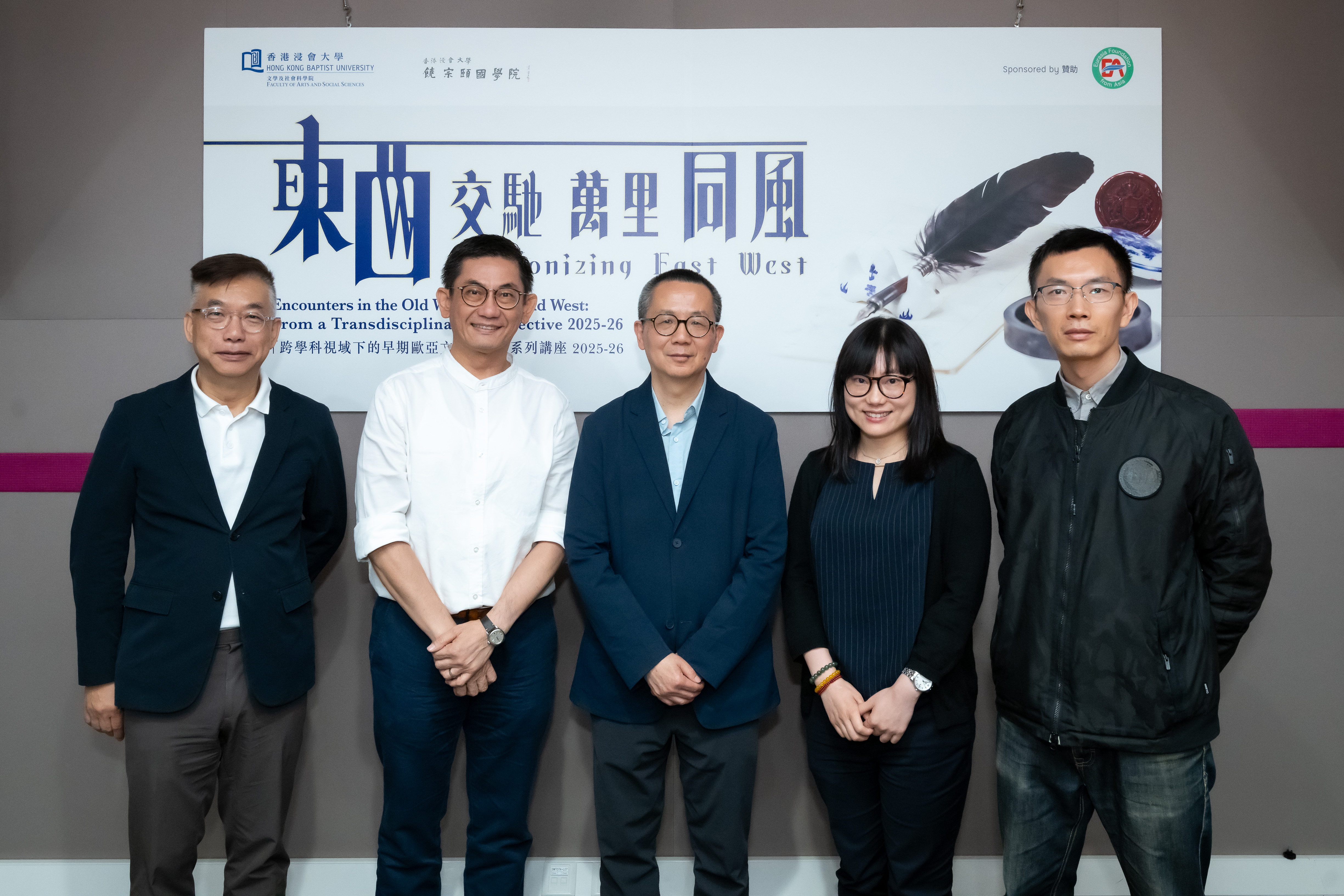
On 21 May 2026, the Jao Tsung-I Academy of Sinology hosted the 14th lecture in the series “Encounters in the Old World, East and West: From a Transdisciplinary Perspective,” featuring a presentation titled Wu Zhang’s Flower Album and Visual Convergence at the Qing Court by Professor WANG Tao, Pritzker Chair, Arts of Asia, and Curator of Chinese Art, and Executive Director, Initiatives in Asia at The Art Institute of Chicago. The Academy was honoured to invite Professor WANG Lianming, Associate Professor, Department of Chinese and History, City University of Hong Kong, to serve as the moderator for this lecture.
The lecture centred on Wu Zhang’s Flower Album of the Four Seasons, a Qing court painting of flowers and birds recently acquired by The Art Institute of Chicago. Professor Wang re-examined the art historical position of this imperial flower painter active during the Yongzheng period, analyzing the album’s provenance, binding style, iconographic characteristics, material analysis, and the Qing court painting system. Professor Wang noted that although Wu Zhang was a key professional painter of the Qing court who contributed to the decorations of the Yuanmingyuan and other court commissions, his signed works are rare and have long been understudied. The Flower Album held at The Art Institute of Chicago, which bears clear signatures and dating, serves as an important resource for understanding his style, technique, and working environment at the Qing court.
Professor Wang further contextualized Wu Zhang’s works within the visual cultural exchange between East and West in the 18th century, comparing them with the flower painting traditions since the Song and Yuan dynasties, the flower paintings of Yun Shouping and Jiang Tingxi, works by Giuseppe Castiglione (Lang Shining) and other Qing court painters, as well as European natural history illustrations. He argued that the Flower Album preserves the meticulous observation and expressive spirit characteristic of Chinese court flower painting, while also integrating Western painting elements such as light and shadow, composition, materials, and botanical representation, manifesting a style of visual convergence between East and West.
In conclusion, the lecture emphasized that the case of Wu Zhang not only enriches the study of Qing court professional painters but also invites a rethinking of the multiple visual pathways for global natural knowledge in the eighteenth century. During the Q&A session, scholars discussed topics including pigment sources, paper materials, cloisonné enamel painting, Qing court painter lineages, and distinctions between port-style and court-style painting.
Lecture Review:
HKBUtube:https://hkbutube.lib.hkbu.edu.hk/inner.php?id=BTS-101299