Upcoming Events
From Paris’s “Port Royal” to Hong Kong’s “Petite École”: Professor Li Xiaohong on the Sino-French Classical Dialogue among Jao, Demiéville, and Vandermeersch

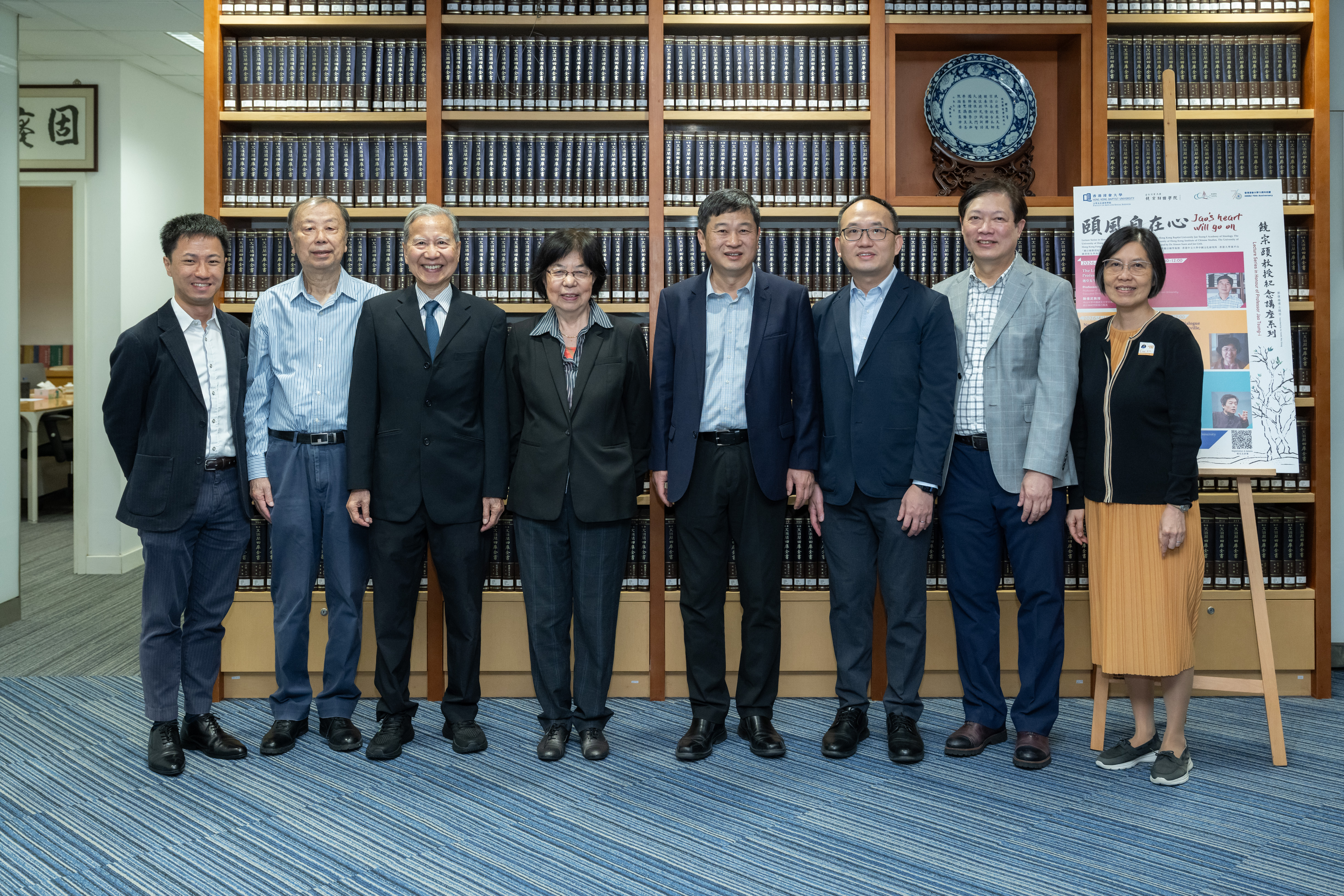
To commemorate the 110th birthday of the renowned Chinese studies master Professor Jao Tsung-i (1917-2018), Jao Tsung-I Academy of Sinology will co-organize a Lecture Series in Honour of Professor Jao Tsung-i with The University of Hong Kong Jao Tsung-I Petite Ecole, The Chinese University of Hong Kong Institute of Chinese Studies, The University of Hong Kong Fung Ping Shan Library and Hok Hoi Library in 2026. Supported by Dr Simon Suen and Jao Link, this lecture series will bring together a group of distinguished scholars and specialists well versed in Professor Jao Tsung-i’s life and academic work. The series aims to offer a comprehensive review of Professor Jao’s pioneering contributions to Chinese studies, Sinology, and the related arts, examining both the breadth of his scholarship and its lasting relevance. Through presentations and dialogues, the lectures will seek to engage the public with the depth and significance of Professor Jao’s intellectual legacy, while contributing to the continued documentation and dissemination of his research.
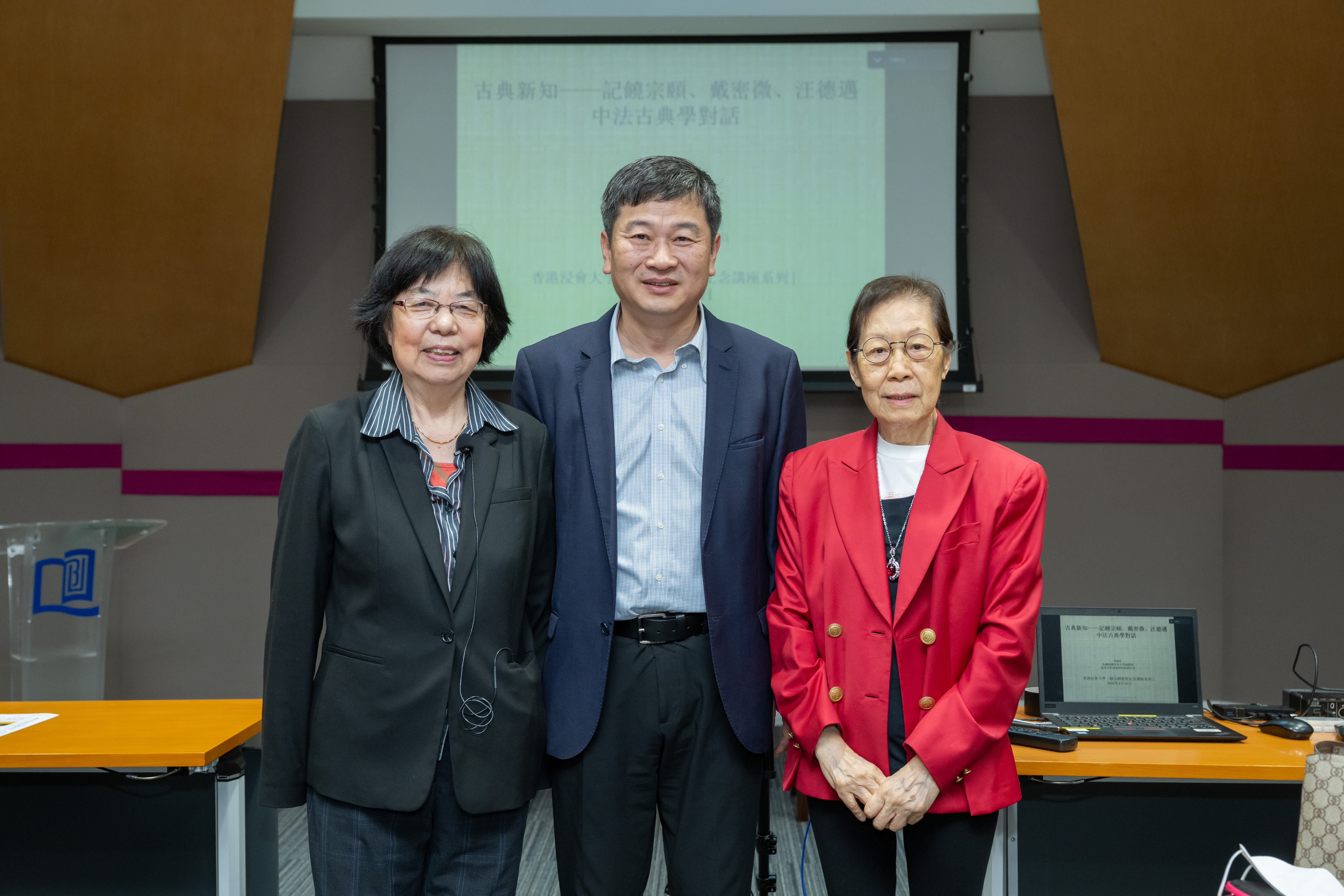
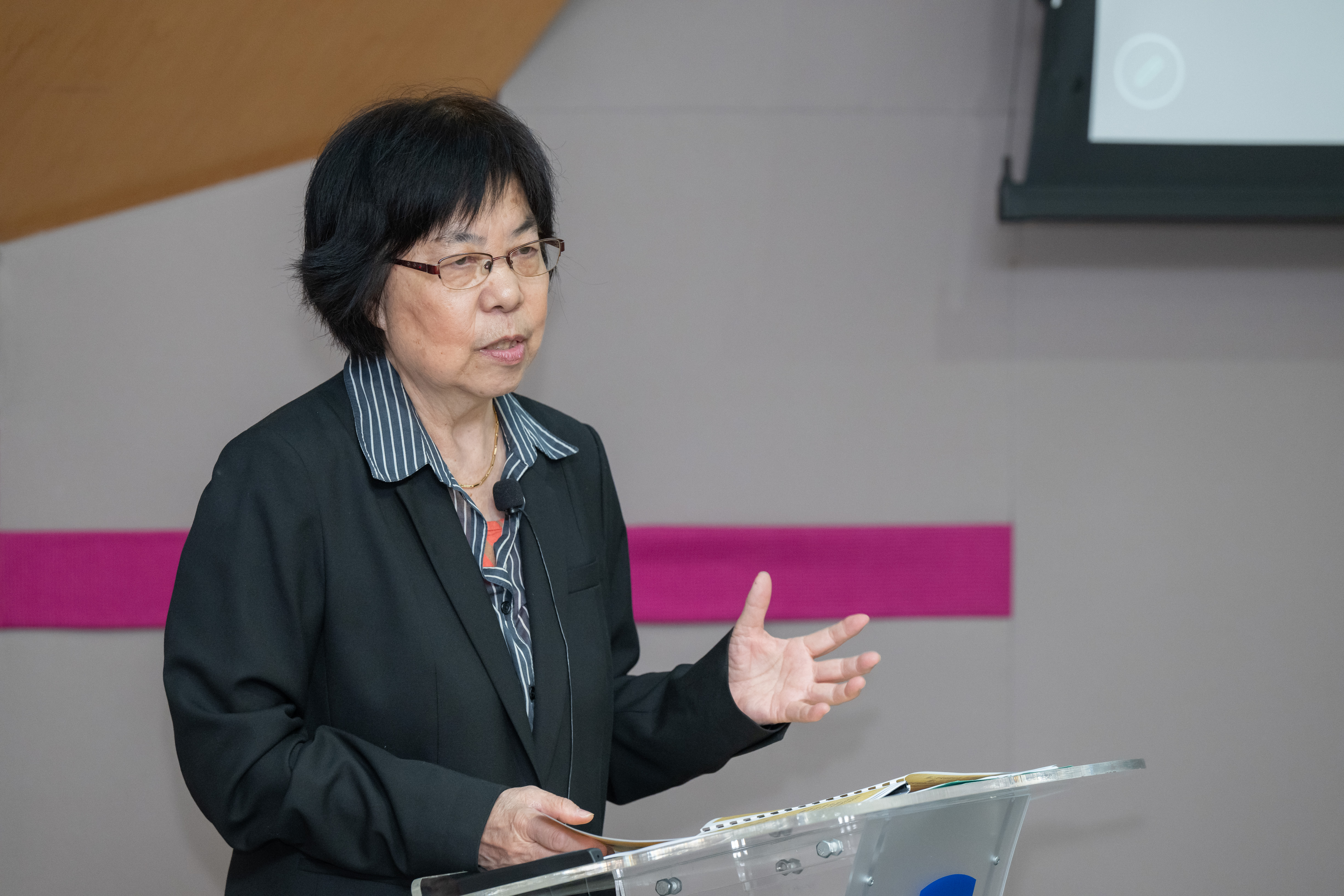
The second lecture of the series was held on April 18 at the Jao Tsung-I Academy of Sinology, with Professor Li Xiaohong Lucie, Associate Professor at the Université d’Artois and Research Fellow of the Research Centre for Far Eastern Studies of the Paris-Sorbonne University, delivering a talk entitled “New Perspectives on Philosophical Studies: The Dialogue between Professor Jao Tsung-i, Professor Paul Demiéville, and Professor Léon Vandermeersch.” Professor Poon Ming Kay, Chair of the Department of Chinese Language and Literature at CUHK, served as moderator.
Professor Li Xiaohong pointed out that Professor Jao visited the historic site of the “Petite École–Abbaye du Port Royal des Champs,” a key center of modern French intellectual transformation, twice in 1993 and 2017. He was deeply interested in the educational ideals and classical spirit shaped by Jansenism at this site. Resonating with its tradition of classical annotation and humanistic spirit, Professor Jao designated the official foreign-language name of the Jao Tsung-I Petite Ecole at HKU as “Petite École,” reflecting a profound affinity between Chinese and French classical studies in textual interpretation and exegesis. Professor Li further detailed Professor Jao’s academic connection with Paul Demiéville, a titan of French Sinology. Beginning in 1954, when Professor Jao was invited to organize the Dunhuang manuscripts at the Bibliothèque nationale de France, the two masters co-authored several works over decades, setting a model for Sino-French scholarly collaboration. At the same time, Professor Li reviewed the over half-century-long mentor-friendship between Professor Jao and Professor Léon Vandermeersch, noting that Vandermeersch studied under Jao in Hong Kong in the 1960s, and his academic career deepened the French Sinological understanding of the idea that “literature is philosophy” in Chinese thought. In conclusion, Professor Li emphasized that the sustained dialogue and cultivation of Sino-French classical studies by Jao, Demiéville, and Vandermeersch established a paradigm of cross-cultural mutual learning. Their open-minded academic spirit and humanistic concern continue to provide profound inspiration for contemporary scholarship.
Please clck here to review the lecture: HKBUtube bilibili
For more information about this lecture series, please visit Jao’s heart will go on -- Lecture Series in Honour of Professor Jao Tsung-i